
Building a wooden gazebo can transform your outdoor space. Can I build a wooden gazebo myself? Yes, you can! This guide will provide you with detailed gazebo assembly instructions and tips for DIY gazebo construction, covering everything from gazebo plans to gazebo roof installation. Building a gazebo is a big project, but with careful planning and the right tools, you can create a beautiful and functional structure for your garden.
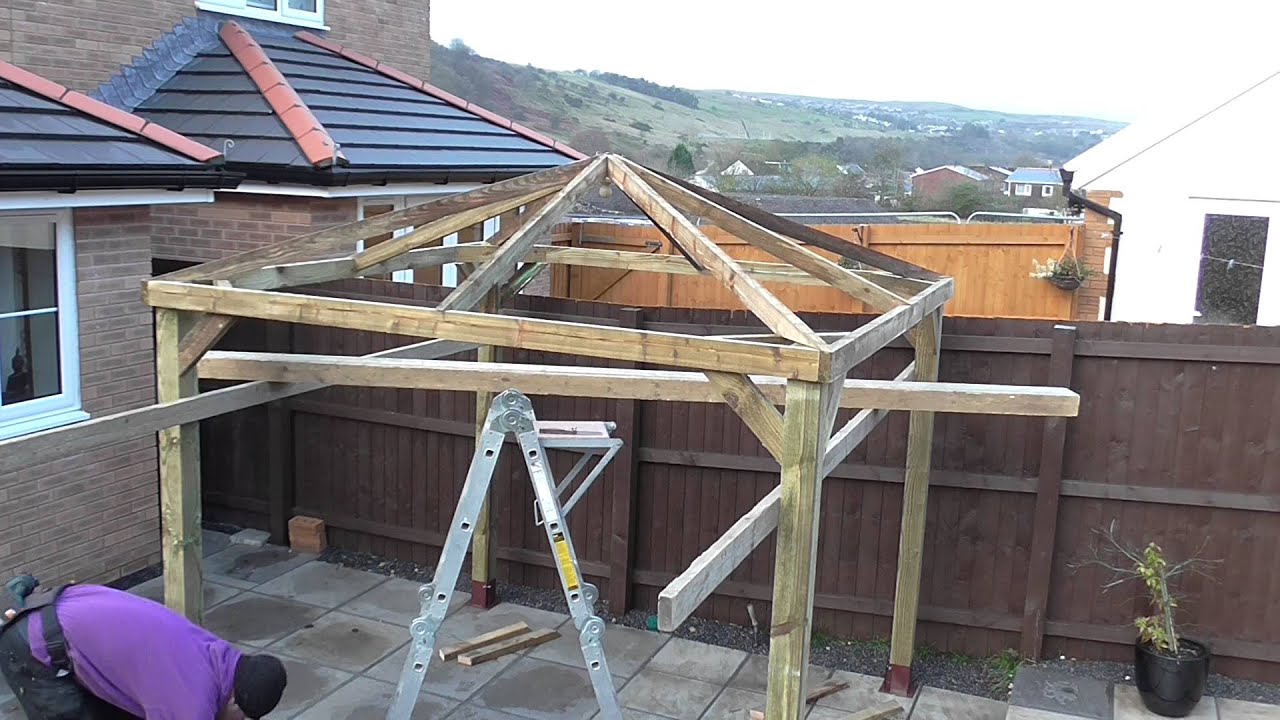
Image Source: i.ytimg.com
Planning Your Gazebo Project
Before you start building, careful planning is crucial. This includes selecting the right gazebo plans, choosing your wooden gazebo design, and determining the necessary gazebo building materials.
Choosing Gazebo Plans and Design
There are many different gazebo plans available, ranging from simple, open-sided structures to more elaborate designs with enclosed walls and intricate rooflines. Consider the following factors:
- Size: How much space do you have available, and how many people do you want the gazebo to accommodate?
- Shape: Common gazebo shapes include round, square, hexagonal, and octagonal. Each shape has its own aesthetic appeal and structural considerations.
- Style: Do you prefer a traditional, rustic, or modern look? The style will influence your choice of materials and design details.
- Complexity: How experienced are you with woodworking? Choose a plan that matches your skill level.
You can find gazebo plans online, in home improvement stores, or from professional designers. Consider purchasing detailed plans that include step-by-step instructions, material lists, and cutting diagrams.
Selecting Gazebo Building Materials
The quality of your gazebo building materials will directly impact its longevity and appearance. Here’s a breakdown of common materials:
- Lumber: Pressure-treated lumber is essential for the gazebo foundation and framing, as it is resistant to rot and insect damage. For the gazebo’s visible parts, you have options:
- Cedar: naturally resistant to rot, insects, and weather. It is beautiful and will last for many years.
- Redwood: Similar to cedar, redwood is durable and has a rich color.
- Pine: A more affordable option, but it requires regular sealing and painting to protect it from the elements.
- Roofing: Choose roofing materials that complement your gazebo’s style and provide adequate protection from the weather. Options include:
- Asphalt shingles: Affordable and easy to install.
- Wood shingles or shakes: Give a rustic, natural look.
- Metal roofing: Durable and long-lasting.
- Cedar shingles: Rot-resistant and weather-resistant
- Fasteners: Use galvanized or stainless-steel screws and nails to prevent rust and corrosion.
- Concrete: Needed for the gazebo foundation.
- Gravel: For drainage under the foundation.
Table 1: Common Gazebo Building Materials
| Material | Description | Advantages | Disadvantages |
|---|---|---|---|
| Pressure-Treated Lumber | Wood treated to resist rot and insects. | Durable, long-lasting, essential for the foundation. | Can be more expensive than untreated lumber. |
| Cedar | Naturally rot-resistant wood. | Beautiful, durable, naturally resistant to decay and insects. | More expensive than pine. |
| Redwood | Durable wood with a rich color. | Beautiful, durable, naturally resistant to decay and insects. | More expensive than pine and may be less readily available than cedar in some regions. |
| Pine | A more affordable option that requires sealing and painting. | Affordable, easy to work with. | Requires regular maintenance, less durable than cedar or redwood. |
| Asphalt Shingles | Common roofing material. | Affordable, easy to install. | Less aesthetically pleasing than other options, shorter lifespan. |
| Wood Shingles/Shakes | Roofing option for a rustic look. | Natural look, good insulation. | More expensive than asphalt shingles, requires more maintenance. |
| Metal Roofing | Durable roofing option. | Long-lasting, low maintenance, energy-efficient. | Can be more expensive than other options, can be noisy during rain. |
| Galvanized/Stainless Steel Fasteners | Screws and nails that resist rust. | Prevents rust and corrosion, ensures structural integrity. | Generally more expensive than non-galvanized fasteners. |
| Concrete | Material for the gazebo foundation. | Strong, stable, provides a solid base. | Requires careful mixing and pouring. |
| Gravel | Material used for drainage under the foundation. | Strong, stable, provides a solid base. | Requires careful installation to avoid shifting. |
Estimating Costs
Building a gazebo can range from a few hundred dollars for a simple structure to several thousand dollars for a more elaborate design. Consider the following costs:
- Materials: Lumber, roofing, fasteners, concrete, etc.
- Tools: If you don’t already own them, you may need to purchase or rent tools like a circular saw, drill, level, and post-hole digger.
- Permits: Check with your local building department to see if you need a permit.
- Labor: If you plan to hire a contractor for any part of the project, factor in labor costs.
Building Your Gazebo: Step-by-Step
Once you have your plans and materials, you can begin building your gazebo. Here’s a step-by-step guide:
Step 1: Preparing the Site and Laying the Gazebo Foundation
A solid gazebo foundation is essential for the stability and longevity of your structure. Here’s how to prepare the site and lay the foundation:
- Choose the Location: Select a level area in your yard that is free from obstructions like trees, shrubs, and underground utilities.
- Mark the Outline: Use stakes and string to mark the outline of your gazebo foundation. Ensure the shape is accurate and square (or round, depending on your design).
- Excavate the Area: Dig out the soil within the marked area to a depth of at least 6 inches.
- Add Gravel: Pour a layer of gravel into the excavated area and compact it thoroughly. This will provide drainage and prevent water from pooling under the foundation.
- Pour Concrete Footings (if required): For larger gazebos, you may need to pour concrete footings to support the posts. Dig holes for the footings according to your gazebo plans and pour concrete into the holes. Use post anchors to secure the posts to the footings.
- Pour Concrete Slab (optional): For a more solid foundation, you can pour a concrete slab over the gravel base. Use wooden forms to contain the concrete and ensure it is level.
Step 2: Gazebo Post Anchoring and Setting the Posts
The posts are the main support for your gazebo. Here’s how to set them properly:
- Cut Posts to Length: Cut the posts to the correct length according to your gazebo plans. Remember to account for the height of the foundation.
- Attach Post Anchors: If you poured concrete footings, attach post anchors to the tops of the footings. These anchors will hold the posts in place.
- Set the Posts: Carefully set the posts into the post anchors, ensuring they are plumb (perfectly vertical). Use a level to check the plumbness and adjust as needed.
- Brace the Posts: Use temporary braces to hold the posts in place while the concrete or anchors set.
Step 3: Gazebo Framing Techniques and Building the Frame
The frame provides the structural support for the gazebo roof and walls. Here’s how to build the frame:
- Install Beams: Attach beams between the posts to create a solid framework. Use strong fasteners and ensure the beams are level.
- Add Rafters: Install rafters from the beams to the center of the gazebo. The rafters will support the roof.
- Build Walls (optional): If you want to enclose your gazebo, build walls between the posts. You can use lumber, lattice, or other materials.
Step 4: Gazebo Roof Installation
The roof is the most challenging part of building a gazebo, but it is also the most rewarding. Here’s how to install the roof:
- Install Sheathing: Cover the rafters with plywood or OSB sheathing. This will provide a solid base for the roofing material.
- Install Roofing Material: Install your chosen roofing material according to the manufacturer’s instructions. Start at the bottom and work your way up, overlapping each course of shingles or shakes.
- Add Finishing Touches: Install trim, fascia, and other finishing touches to give your gazebo a polished look.
Enhancing Your Gazebo
Once the basic structure is complete, you can add personal touches to make it your own. Consider these options:
- Install Flooring: Add flooring to the gazebo to create a more comfortable and inviting space. Options include wood decking, pavers, or gravel.
- Add Seating: Place benches, chairs, or swings inside the gazebo to provide seating for guests.
- Install Lighting: Add lighting to the gazebo to create a warm and inviting atmosphere at night. Options include string lights, lanterns, or spotlights.
- Add Landscaping: Plant flowers, shrubs, or trees around the gazebo to enhance its beauty and blend it into the surrounding landscape.
Safety Precautions
Building a gazebo involves working with power tools and heavy materials. Take these safety precautions to protect yourself and others:
- Wear Safety Gear: Always wear safety glasses, gloves, and a dust mask when working with wood or concrete.
- Use Power Tools Safely: Read and follow the manufacturer’s instructions for all power tools.
- Work with a Partner: It’s always safer to work with a partner when lifting heavy objects or using power tools.
- Be Aware of Your Surroundings: Watch out for hazards like overhead power lines and uneven ground.
Maintaining Your Gazebo
To keep your gazebo looking its best for years to come, perform regular maintenance:
- Clean Regularly: Sweep or wash the gazebo regularly to remove dirt, debris, and mildew.
- Inspect for Damage: Inspect the gazebo for signs of damage, such as rot, cracks, or loose fasteners.
- Repair Damage Promptly: Repair any damage as soon as possible to prevent it from worsening.
- Apply Sealant or Paint: Apply a sealant or paint to the wood every few years to protect it from the elements.
Frequently Asked Questions (FAQ)
Here are some frequently asked questions about building a wooden gazebo:
- What is the best wood to use for a gazebo? Cedar, redwood, and pressure-treated pine are all good options. Cedar and redwood are naturally resistant to rot and insects, while pressure-treated pine is more affordable but requires regular sealing or painting.
- How long does it take to build a gazebo? The time it takes to build a gazebo depends on the size and complexity of the design, as well as your skill level. A simple gazebo can be built in a weekend, while a more elaborate structure may take several weeks.
- Do I need a permit to build a gazebo? Check with your local building department to see if you need a permit. Most jurisdictions require permits for structures over a certain size.
- What kind of foundation do I need for a gazebo? The type of foundation you need depends on the size and weight of the gazebo, as well as the soil conditions. A simple gravel base may be sufficient for a small gazebo, while a larger structure may require concrete footings or a concrete slab.
- How do I anchor a gazebo to the ground? You can anchor a gazebo to the ground using post anchors, concrete footings, or ground screws.
- Can I build a gazebo on a deck? Yes, you can build a gazebo on a deck, but you need to ensure the deck is strong enough to support the weight of the gazebo. Consult with a structural engineer if you are unsure.
Transform your backyard into a serene sanctuary by constructing a wooden gazebo, a project that promises both aesthetic charm and practical delight. With a blueprint in mind, the perfect lumber in hand, and a spirit of dedication, you’ll forge a captivating haven built to be the backdrop for countless cherished memories.

William has over three years of experience in building gazebos. He started AskGazebo.com to assist his clients.