
A gazebo provides a beautiful and functional outdoor space. What is putting up a gazebo all about? It’s about assembling a prefabricated outdoor structure, typically with a roof and open sides, to create a shaded and sheltered area in your yard. This gazebo installation guide will walk you through the gazebo building process, providing gazebo construction tips to make erecting a gazebo a breeze.
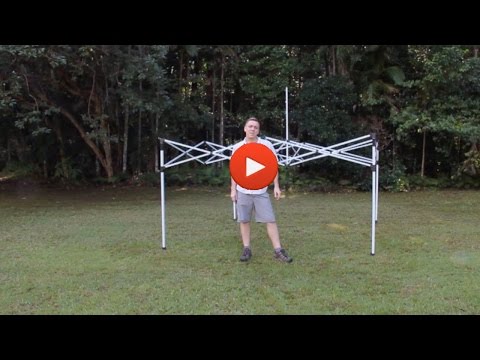
Image Source: i.ytimg.com
1. Planning Your Gazebo Project: Setting the Stage for Success
Before you even open the box, proper planning is crucial for a smooth outdoor structure installation.
1.1 Choosing the Right Gazebo
- Size Matters: Consider the available space in your yard. A gazebo that’s too large will overwhelm the area, while one that’s too small might not be functional. Measure the area carefully and visualize the gazebo in place.
- Style Selection: Gazebos come in various styles (Victorian, contemporary, etc.) and materials (wood, metal, vinyl). Pick a style that complements your home’s architecture and your personal preferences.
- Material Considerations:
- Wood: Offers a classic look but requires regular maintenance (staining, sealing).
- Metal: Durable and low-maintenance, but can get hot in direct sunlight.
- Vinyl: Weather-resistant and easy to clean, but might not have the same aesthetic appeal as wood.
1.2 Selecting the Perfect Location
- Level Ground is Key: Choose a level spot to avoid structural problems during gazebo assembly. Uneven ground can make gazebo frame assembly difficult and compromise the gazebo’s stability.
- Accessibility: Make sure the location is easily accessible from your house. Think about pathways and convenience.
- Sun Exposure: Consider the amount of sunlight the area receives. Do you want full sun, partial shade, or full shade? Position your gazebo accordingly.
- Utility Lines: Before digging, check for underground utility lines (gas, water, electricity). Contact your local utility company to mark these lines.
- Wind Exposure: High-wind areas require extra gazebo anchoring methods.
1.3 Gathering Your Tools and Materials
Having the right tools will save you time and frustration during the gazebo setup instructions. Here’s a comprehensive list:
- Tools:
- Tape measure
- Level
- Drill/Driver with appropriate bits
- Wrench set
- Hammer
- Rubber mallet
- Ladder
- Safety glasses
- Work gloves
- Materials:
- Your gazebo kit (obviously!)
- Concrete blocks or pavers (for leveling)
- Anchoring hardware (stakes, bolts, etc.) – often included in the kit
- Optional: Shims (for fine-tuning leveling)
2. Preparing the Site: Foundation for Success
A well-prepared site is essential for a sturdy and long-lasting gazebo.
2.1 Clearing and Leveling the Ground
- Remove Obstacles: Clear the area of grass, rocks, roots, and any other debris.
- Leveling: Use a shovel and rake to level the ground. A level is your best friend here. Check the level in multiple directions.
- Compacting the Soil: Use a tamper or plate compactor to compact the soil. This will prevent settling and ensure a stable foundation.
2.2 Creating a Foundation (Optional)
Depending on the gazebo and your preferences, you might consider a more substantial foundation.
- Gravel Base: A layer of gravel (4-6 inches) provides good drainage and helps prevent weed growth.
- Concrete Slab: Provides the most stable and permanent foundation but requires more work and expense.
- Pavers or Concrete Blocks: An easy and affordable option. Place pavers or blocks at each corner of the gazebo and at intervals along the perimeter for support. Ensure they are level with each other.
3. Gazebo Frame Assembly: Building the Skeleton
This is where the gazebo building process truly begins. Always refer to the manufacturer’s gazebo assembly instructions for your specific model.
3.1 Unpacking and Inventory
- Careful Unpacking: Unpack all the components carefully to avoid damage.
- Inventory Check: Compare the parts list in the manual with the actual parts you have. Identify each part and organize them for easy access. This prevents frustration later on.
3.2 Assembling the Base Frame
- Follow the Manual: The gazebo setup instructions will guide you step-by-step.
- Corner Posts: Start by assembling the corner posts, if applicable.
- Connecting the Sides: Connect the sides of the frame to the corner posts using bolts, screws, or connectors (depending on the design).
- Square and Level: Ensure the base frame is square and level. Use a level and a tape measure to check the diagonals (they should be equal).
3.3 Erecting the Roof Frame
- Ground Assembly: Whenever possible, assemble roof sections on the ground before lifting them into place. This is safer and easier.
- Lifting and Securing: With help from at least one or two other people, carefully lift the roof sections into place. Secure them to the base frame according to the instructions.
- Apex Piece: Install the apex piece or cupola (if included) to complete the roof frame.
4. Attaching the Roof Panels and Sidewalls
With the frame in place, it’s time to add the roof and sidewalls (if applicable).
4.1 Installing the Roof Panels
- Panel Placement: Start at one corner and work your way around, overlapping the panels as instructed.
- Secure Fastening: Secure the panels with screws or bolts. Make sure they are properly aligned and tightly fastened to prevent leaks.
- Safety First: Use a ladder carefully and wear safety glasses to protect your eyes from debris.
4.2 Adding Sidewalls or Screening (Optional)
- Attachment Method: Sidewalls can be solid panels, fabric curtains, or screens. Attach them to the frame using the provided hardware (clips, hooks, etc.).
- Proper Fit: Ensure the sidewalls fit snugly and are securely attached to the frame.
5. Gazebo Anchoring Methods: Securing Your Investment
Anchoring your gazebo is essential, especially in windy areas, and ensures it stays put and doesn’t become a hazard.
5.1 Types of Anchors
- Ground Stakes: Simple and effective for securing the gazebo to soft ground.
- Concrete Anchors: Provide a more secure hold in concrete or paved surfaces.
- Auger Anchors: Screw into the ground for a strong and reliable hold, especially in loose soil.
- Weight Bags: Can be filled with sand or gravel and placed around the base of the gazebo for added stability.
5.2 Installation Techniques
- Follow the Instructions: Refer to the gazebo assembly instructions for specific anchoring recommendations.
- Strategic Placement: Place anchors at each corner post and at intervals along the sides.
- Proper Depth: Drive the anchors deep enough into the ground to provide adequate holding power.
- Tensioning: Tighten the anchor straps or cables to create tension and stabilize the gazebo.
6. Final Touches and Maintenance: Protecting and Personalizing Your Gazebo
The gazebo is up, but there are a few things you can do to make it even better and ensure it lasts.
6.1 Sealing and Staining (for Wooden Gazebos)
- Protection: Apply a sealant or stain to protect the wood from the elements (sun, rain, snow).
- Regular Maintenance: Reapply the sealant or stain every year or two to maintain its protective properties.
6.2 Adding Accessories
- Furniture: Add comfortable seating, tables, and other furniture to create a relaxing outdoor space.
- Lighting: String lights, lanterns, or spotlights to create ambiance and extend the usability of the gazebo into the evening.
- Decorations: Personalize your gazebo with plants, cushions, curtains, and other decorations to reflect your style.
6.3 Regular Cleaning
- Keep it Clean: Regularly clean the gazebo to remove dirt, dust, and debris.
- Mild Soap and Water: Use a mild soap and water solution and a soft brush or cloth.
- Prevent Mold and Mildew: Pay attention to areas that are prone to mold and mildew growth, such as the roof and sidewalls.
7. Troubleshooting Common Gazebo Installation Problems
Even with the best planning, you might encounter a few hiccups during gazebo assembly. Here’s how to handle them:
- Missing Parts: Contact the manufacturer immediately to request replacement parts. Don’t try to improvise, as this could compromise the gazebo’s structural integrity.
- Damaged Parts: If you find damaged parts, contact the manufacturer for replacements. Document the damage with photos.
- Misaligned Holes: If the holes don’t line up, try loosening the surrounding bolts or screws to give you some wiggle room. If that doesn’t work, you might need to drill new holes, but be careful not to damage the parts.
- Stuck Fasteners: If a bolt or screw is stuck, try using penetrating oil or WD-40 to lubricate it. Let it sit for a few minutes before trying again. You might also need to use a wrench or socket to get more leverage.
- Uneven Ground: Even with careful leveling, the ground might settle over time. Use shims to level the gazebo if necessary.
8. Fathoming Gazebo Styles and Their Unique Construction Needs
Different gazebo styles may present unique challenges during gazebo construction. Being aware of these variations will streamline your gazebo assembly.
8.1 Soft-Top Gazebos: Simplicity and Ease
Soft-top gazebos, characterized by fabric canopies, prioritize straightforward gazebo assembly. The gazebo frame assembly often features lightweight materials like aluminum or steel. The primary consideration is ensuring the fabric canopy is tautly secured to prevent sagging or wind damage. Gazebo anchoring methods are crucial for these models, especially in exposed areas.
8.2 Hard-Top Gazebos: Durability and Complexity
Hard-top gazebos, boasting rigid roofs made of metal, wood, or composite materials, demand more meticulous gazebo installation. The increased weight necessitates a robust gazebo frame assembly and potentially a more substantial foundation. Pay close attention to the sequence outlined in the gazebo setup instructions, as the roof panels often require precise alignment.
8.3 Screened Gazebos: Insect Protection and Ventilation
Screened gazebos offer respite from insects while maintaining airflow. The gazebo building process involves incorporating screens into the gazebo frame assembly. Ensuring the screens are securely attached and free from tears is paramount. Gazebo anchoring methods are particularly important to prevent wind from damaging the screens.
8.4 Pergola-Style Gazebos: Open Air and Aesthetic Appeal
Pergola-style gazebos, with their open lattice roofs, blend seamlessly into garden settings. Erecting a gazebo of this style entails assembling the pergola structure and, optionally, adding climbing plants. The emphasis is on achieving a visually appealing and structurally sound gazebo frame assembly that complements the surrounding landscape.
9. The Importance of Adhering to Local Regulations
Can I build a gazebo anywhere? No. Before starting your gazebo installation, it’s essential to check local building codes and regulations.
9.1 Building Permits
- Determine Requirements: Some municipalities require building permits for gazebos, especially those exceeding a certain size or with permanent foundations.
- Contact Local Authorities: Contact your local building department to inquire about permit requirements.
- Submit Plans: You might need to submit plans and specifications for your gazebo.
9.2 Setback Requirements
- Property Lines: Ensure your gazebo meets setback requirements, which specify the minimum distance it must be from property lines.
9.3 Homeowners Association (HOA) Rules
- Restrictions: If you live in a community with an HOA, check their rules and regulations regarding outdoor structures. They might have restrictions on size, style, and location.
10. Frequently Asked Questions (FAQ)
- How long does it take to put up a gazebo? The time varies depending on the size and complexity of the gazebo, as well as your experience level. A simple gazebo might take a few hours, while a larger, more elaborate one could take a full day or more.
- Do I need professional help to install a gazebo? Not necessarily. If you’re comfortable with DIY projects and have the necessary tools and skills, you can probably install a gazebo yourself. However, if you’re unsure or lack the time, hiring a professional installer is a good option.
- What is the best time of year to install a gazebo? Spring and fall are generally the best times to install a gazebo, as the weather is mild and the ground is not frozen or too hot. Avoid installing a gazebo during extreme weather conditions, such as heavy rain or high winds.
- How do I protect my gazebo from the elements? Use a gazebo cover during the off-season to protect it from snow, ice, and UV rays. Regularly clean the gazebo and apply sealant or stain to wooden parts.
- How do I prevent my gazebo from blowing away in high winds? Use proper gazebo anchoring methods, such as ground stakes, concrete anchors, or auger anchors. Consider adding weight bags for extra stability.
With this comprehensive guide in hand, your dream gazebo is within reach, promising a stunning and practical sanctuary for countless family memories. Safety first, every step second nature, and don’t hesitate to call for backup when the challenge arises. Now go forth and build your perfect retreat!

William has over three years of experience in building gazebos. He started AskGazebo.com to assist his clients.