
Can you anchor a gazebo to concrete? Yes, securing your gazebo to a concrete surface is crucial for stability and safety, especially in windy conditions. There are several methods for gazebo anchoring on concrete, and this guide will explain how to do it properly. We’ll cover everything from choosing the right anchors to drilling into concrete for gazebo installation, and ensure your gazebo withstands the elements.
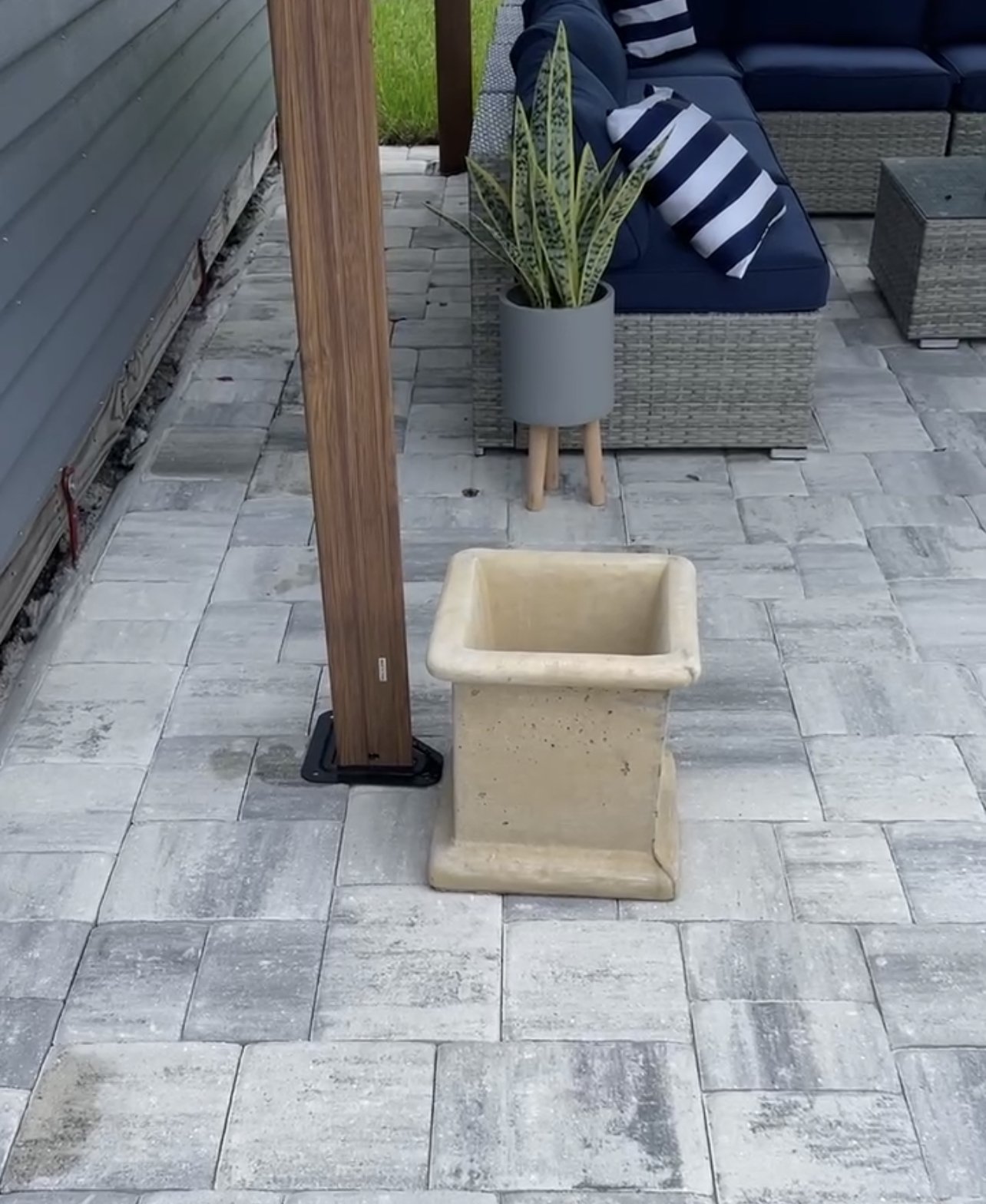
Image Source: images.squarespace-cdn.com
Why Anchor Your Gazebo to Concrete?
Before we dive into the “how,” let’s consider the “why.” Failing to properly anchor your gazebo can lead to a variety of problems:
- Safety Hazard: A strong gust of wind can lift an unsecured gazebo, potentially causing damage to property or injury to people.
- Structural Damage: Repeated movement and stress on the gazebo frame can weaken the structure over time, leading to costly repairs.
- Voided Warranty: Many gazebo manufacturers require proper anchoring as a condition of their warranty.
Securing your gazebo to a concrete gazebo base provides stability, extends the lifespan of your gazebo, and ensures the safety of those using it.
Choosing the Right Anchors for Concrete
The best way to anchor gazebo to concrete depends on several factors, including the size and weight of your gazebo, the thickness of your concrete slab, and the expected wind conditions in your area. Here’s a breakdown of common types of anchors:
- Concrete Screws (Tapcon Screws): These are a popular and relatively easy-to-install option. They cut threads into the concrete as they are installed.
- Expansion Bolts: These anchors provide a strong hold by expanding within the drilled hole. They are suitable for heavier gazebos and areas with high winds. Look for gazebo expansion bolts concrete compatible sizes.
- Sleeve Anchors: Similar to expansion bolts, sleeve anchors offer excellent holding power and are easy to install.
- Wedge Anchors: These are designed for heavy-duty applications and provide a very secure hold.
- Chemical Anchors (Epoxy Anchors): These anchors use a chemical adhesive to bond with the concrete, offering exceptional strength, especially in weaker concrete. This method is less common for gazebos but suitable when others fail.
- Gazebo Concrete Anchor Kit: You can also buy these kits, typically containing all hardware you will need.
Table: Comparing Anchor Types
| Anchor Type | Strength | Ease of Installation | Best For | Cost | Notes |
|---|---|---|---|---|---|
| Concrete Screws | Medium | Easy | Lighter gazebos, thinner concrete | Low | Pre-drilling required; not suitable for very heavy loads |
| Expansion Bolts | Strong | Moderate | Medium to heavy gazebos, thicker concrete | Medium | Requires precise hole depth |
| Sleeve Anchors | Strong | Easy | Medium to heavy gazebos, easy to flush mount. | Medium | Very easy to install and flush mount. |
| Wedge Anchors | Very Strong | Moderate | Heavy gazebos, high wind areas | High | Requires precise hole depth and spacing |
| Chemical Anchors | Very Strong | Difficult | Weak concrete, very heavy gazebos | High | Requires specialized equipment and careful application |
When selecting your anchors, consult the gazebo manufacturer’s recommendations. Consider buying a gazebo concrete anchor kit for convenience.
Tools and Materials You’ll Need
Before you begin the gazebo anchoring on concrete, gather the following tools and materials:
- Gazebo Anchor Kit or Individual Anchors: Choose the appropriate type and size of anchors.
- Hammer Drill: A hammer drill is essential for drilling into concrete.
- Concrete Drill Bits: Use drill bits specifically designed for concrete. The size should match the anchor size.
- Hammer: For tapping in anchors.
- Wrench or Socket Set: To tighten the bolts or screws.
- Measuring Tape: For accurate placement.
- Pencil or Marker: To mark drilling locations.
- Safety Glasses: Protect your eyes from concrete dust.
- Dust Mask: To avoid inhaling concrete dust.
- Gloves: To protect your hands.
- Vacuum Cleaner or Shop Vac: To clean the drilled holes.
- Level: To ensure the gazebo is level.
- Shims (optional): For leveling the gazebo on uneven surfaces.
- Torque Wrench (recommended): To tighten the anchors to the specified torque.
Step-by-Step Guide to Anchoring Your Gazebo
Here’s a detailed, step-by-step guide to securing your gazebo to your patio or concrete slab:
Step 1: Position and Mark the Gazebo
- Placement: Carefully position the gazebo in the desired location on the concrete slab. Ensure you have enough space around the gazebo and that it’s not obstructing any walkways or utilities.
- Leveling: Use a level to check if the concrete surface is even. If it’s uneven, use shims under the gazebo’s legs to level it before marking the anchor points.
- Marking: Use a pencil or marker to mark the locations of the anchor holes on the concrete. These locations will typically be at the base of each gazebo leg. Most gazebos have pre-drilled holes or mounting plates for easy marking.
Step 2: Drilling the Pilot Holes
- Safety First: Put on your safety glasses and dust mask.
- Drill Bit Selection: Choose a concrete drill bit that matches the diameter specified for your chosen anchors.
- Drilling: Place the tip of the drill bit on one of the marked locations. Hold the hammer drill perpendicular to the concrete surface and apply firm, steady pressure. Start drilling slowly and increase the speed as you penetrate the concrete.
- Depth: Drill to the required depth for your anchors. This information will be provided by the anchor manufacturer. Use a depth gauge on your drill or mark the drill bit with tape to ensure you don’t drill too deep or too shallow.
- Repeat: Repeat the drilling process for all marked locations.
- Cleaning: Use a vacuum cleaner or shop vac to thoroughly clean the drilled holes. Remove all concrete dust and debris to ensure proper anchor seating.
Step 3: Installing the Anchors
The installation process varies depending on the type of anchor you’ve chosen. Here’s a general guide for the most common types:
- Concrete Screws (Tapcon Screws):
- Insert the screw through the gazebo leg’s mounting hole and into the pre-drilled hole in the concrete.
- Use a wrench or socket to tighten the screw. Do not overtighten, as this can strip the threads or crack the concrete.
- Expansion Bolts:
- Insert the expansion bolt through the gazebo leg’s mounting hole and into the pre-drilled hole in the concrete.
- Tap the bolt lightly with a hammer until the expansion sleeve is fully seated in the hole.
- Tighten the nut on the bolt with a wrench or socket. As you tighten, the expansion sleeve will expand, gripping the concrete.
- Sleeve Anchors:
- Insert the sleeve anchor through the gazebo leg’s mounting hole and into the pre-drilled hole in the concrete.
- Tap the anchor lightly with a hammer until flush with the surface.
- Tighten the nut on the bolt with a wrench or socket. As you tighten, the sleeve will expand, gripping the concrete.
- Wedge Anchors:
- Insert the wedge anchor through the gazebo leg’s mounting hole and into the pre-drilled hole in the concrete.
- Tap the anchor lightly with a hammer until the washer and nut are flush with the surface.
- Tighten the nut on the bolt with a torque wrench to the manufacturer’s specified torque.
- Chemical Anchors (Epoxy Anchors):
- Follow the manufacturer’s instructions for mixing and applying the epoxy adhesive.
- Fill the drilled hole with the epoxy.
- Insert the threaded rod into the hole, ensuring it’s properly aligned.
- Allow the epoxy to cure completely according to the manufacturer’s instructions before applying any weight.
Step 4: Final Tightening and Inspection
- Tightening: After installing all the anchors, go back and double-check that all bolts or screws are securely tightened. Use a torque wrench to tighten to the manufacturer’s specifications where applicable.
- Inspection: Inspect the gazebo for stability. Gently push and pull on the gazebo frame to ensure it’s firmly anchored to the concrete. Look for any signs of movement or instability.
- Finishing Touches: If you used shims to level the gazebo, you can now trim any excess shim material that is sticking out.
Gazebo Permanent Anchoring Concrete: Considerations
For gazebo permanent anchoring concrete solutions, prioritize robust anchors like wedge anchors or chemical anchors. These provide exceptional holding power and are ideal for long-term stability. When using permanent anchoring methods, consider the following:
- Concrete Integrity: Ensure the concrete slab is in good condition and free from cracks or damage. Weak concrete may not provide adequate support for permanent anchors.
- Future Modifications: Consider whether you might want to move the gazebo in the future. Permanent anchoring will make it more difficult to relocate the gazebo.
- Local Regulations: Check local building codes and regulations regarding permanent structures.
Securing Gazebo to Patio: Specific Considerations
Securing a gazebo to a patio presents some unique considerations. Patio slabs are often thinner than poured concrete foundations, and they may be more prone to cracking. Here are some tips for securing your gazebo to a patio:
- Use Shorter Anchors: Choose anchors that are appropriate for the thickness of your patio slabs. Avoid using anchors that are too long, as they could crack the patio.
- Pre-Drill Carefully: Drill pilot holes slowly and carefully to avoid chipping or cracking the patio surface.
- Consider Patio Pavers: If your patio is made of individual pavers, you may need to remove a paver and create a small concrete footing for each anchor point. This will provide a more stable base for the anchors.
- Spread the Load: Use larger mounting plates or brackets to distribute the weight of the gazebo over a wider area. This can help to prevent stress on the patio slabs.
Table: Best Practices for Patio Anchoring
| Best Practice | Explanation |
|---|---|
| Shorter Anchors | Prevents cracking or damage to thinner patio slabs. |
| Careful Pre-Drilling | Reduces the risk of chipping or cracking the patio surface. |
| Concrete Footings | Provides a more stable base when using pavers. |
| Load Distribution | Minimizes stress on individual patio slabs, preventing cracks. |
Troubleshooting Common Issues
Even with careful planning, you may encounter some challenges during the anchoring process. Here are some common issues and how to address them:
- Drill Bit Slipping: If the drill bit is slipping on the concrete surface, try using a center punch to create a small indentation at the marked location. This will give the drill bit a better starting point.
- Drill Bit Binding: If the drill bit is binding or getting stuck in the concrete, try reducing the drilling speed and applying more pressure. You can also try using a lubricant, such as water or cutting oil.
- Hole Too Large: If the drilled hole is too large for the anchor, you can use a concrete patching compound to fill the hole and then re-drill it to the correct size. Alternatively, you can use a larger anchor.
- Anchor Stripping: If the anchor is stripping or not holding properly, it may be due to weak concrete or an incorrectly sized anchor. Try using a different type of anchor or consider using chemical anchors for a stronger hold.
- Uneven Surface: If the concrete surface is uneven, use shims to level the gazebo before anchoring it. This will ensure that the gazebo is stable and secure.
Maintenance and Inspection
Once your gazebo is anchored, it’s important to perform regular maintenance and inspections to ensure it remains stable and secure. Here are some tips:
- Check Anchors Regularly: Inspect the anchors periodically to ensure they are still tight and in good condition. Tighten any loose bolts or screws.
- Inspect the Concrete: Check the concrete around the anchor points for cracks or damage. Repair any cracks promptly to prevent further deterioration.
- Clean the Gazebo: Keep the gazebo clean and free of debris. This will help to prevent corrosion and extend its lifespan.
- Winter Preparation: In areas with heavy snow or strong winds, consider removing the gazebo canopy during the winter months to reduce the load on the frame and anchors.
FAQs: Anchoring Gazebos to Concrete
Here are some frequently asked questions about anchoring gazebos to concrete:
-
What is the best way to anchor a gazebo to concrete? The best method depends on gazebo size, weight, and wind conditions. Concrete screws are suitable for lighter gazebos, while expansion bolts or wedge anchors are better for heavier ones.
-
Can I use regular screws to anchor a gazebo to concrete? No, regular screws will not provide sufficient holding power in concrete. You must use concrete-specific anchors, such as concrete screws or expansion bolts.
-
How deep should I drill into concrete for gazebo anchors? The drilling depth depends on the anchor type and size. Refer to the manufacturer’s instructions for the recommended drilling depth.
-
What size drill bit do I need to drill into concrete for gazebo anchors? The drill bit size should match the diameter of the anchor. Refer to the anchor manufacturer’s specifications for the correct drill bit size.
-
Is it necessary to anchor my gazebo to concrete? Yes, anchoring your gazebo to concrete is crucial for safety and stability, especially in windy conditions.
-
How often should I check the anchors on my gazebo? You should check the anchors at least twice a year, or more frequently in areas with strong winds or extreme weather conditions.
-
What if the concrete is cracked around the anchor point? If the concrete is cracked around the anchor point, you should repair the cracks before anchoring the gazebo. You can use a concrete patching compound to fill the cracks and then re-drill the hole. Chemical anchors are a good solution for cracked concrete.
Master these techniques and you’ll secure your gazebo to concrete like a pro, guaranteeing it stands firm and endures for seasons of enjoyment. Above all, stay safe and don’t hesitate to call in an expert if you hit any snags.

William has over three years of experience in building gazebos. He started AskGazebo.com to assist his clients.