
Ever wished you could wave a magic wand and make your woodworking projects perfectly smooth? If you’ve ever wrestled with rough wood, or spent hours sanding away imperfections, you know the frustration. Choosing the right smoothing plane can feel like a puzzle, with so many choices that can leave you scratching your head. It’s tough to know which one will actually help you achieve that beautiful, glassy finish without breaking the bank.
But what if there was a way to get that professional, smooth result without spending a fortune? That’s where a budget smoothing plane comes in. This post is all about helping you find that perfect tool. We’ll break down what makes a good smoothing plane and show you how to pick one that fits your budget and your projects. Get ready to discover how to get those satisfyingly smooth surfaces!
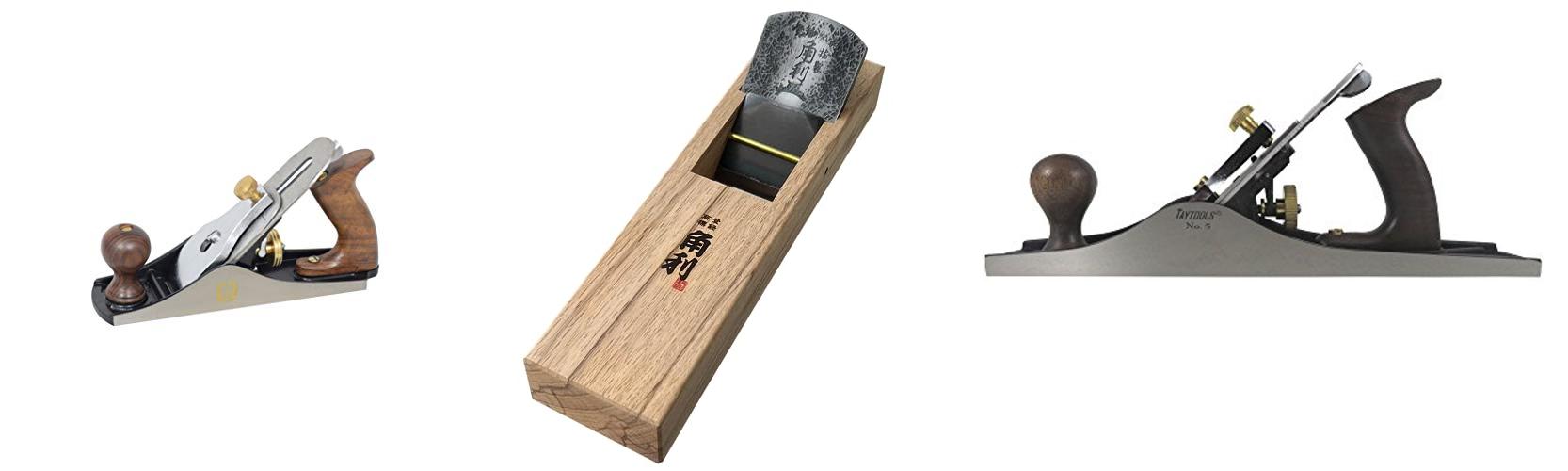
Our Top 5 Budget Smoothing Plane Recommendations at a Glance
Top 5 Budget Smoothing Plane Detailed Reviews
1. Spear & Jackson CSP4 No. 4 Smoothing Plane

Rating: 9.0/10
The Spear & Jackson CSP4 No. 4 Smoothing Plane is a fantastic tool for anyone who loves woodworking. It’s great for cabinet making and all sorts of general joinery tasks. This plane is built to last with a strong cast iron body. Its base and faces are precisely milled, meaning they are very flat and smooth. The blade is 2 inches (50mm) wide and made of high-carbon steel, which keeps its sharp edge for a long time. You can easily adjust the blade’s depth with a brass screw. The plane itself is 248mm long and the base is 63mm wide and 42mm deep. If you ever need a new blade, you can easily find spare blades called CSP4BLADE.
What We Like:
- The cast iron body makes it feel sturdy and reliable in your hands.
- Precision milled surfaces ensure smooth and accurate planing.
- The high-carbon steel blade holds a sharp edge well.
- The brass adjusting screw allows for fine-tuning the cut.
- Spare blades are readily available, so you can keep it in top condition.
What Could Be Improved:
- Some users might prefer a slightly heavier plane for more aggressive stock removal.
- While durable, the cast iron body might be susceptible to rust if not properly maintained.
Overall, the Spear & Jackson CSP4 No. 4 Smoothing Plane is a solid choice for both beginners and experienced woodworkers looking for a dependable tool. It offers great performance and value for its price.
2. KAKURI Japanese Block Plane 50mm for Woodworking

Rating: 8.7/10
Get ready to smooth your wood projects with the KAKURI Japanese Block Plane 50mm. This is a KANNA, a traditional Japanese woodworking tool. It’s designed for making wood surfaces super smooth. Unlike tools you push away, you pull this plane towards you. This makes it easier to control and gives you a better finish with less effort. It’s made in Japan and trusted by both people just starting out and experienced woodworkers.
What We Like:
- Easy Handling: It’s a good size, about 9.5 inches long, and you can hold it firmly with both hands. This makes it stable and easy to pull smoothly.
- Great for Beginners: The balanced weight helps you cover wood surfaces efficiently. Its size is also good for people new to woodworking.
- Super Sharp Blade: The blade is made from strong Japanese steel and sharpened by experts. It gives a very smooth finish right away. The special way it’s made makes it last longer and easier to sharpen.
- Reduces Splitting: It has two blades, including one that breaks up wood chips. This helps prevent wood from splitting, making it safer and more reliable.
- Strong Oak Body: The plane has a body made from tough Japanese oak. This wood feels good and helps make the planing smooth.
What Could Be Improved:
- Blade Fine-Tuning Needed: You’ll need to tap the blade with a hammer to adjust it before you use it.
- ECO Oak Grain: The ECO oak body might have noticeable grain patterns because it comes from closer to the tree’s center. This doesn’t affect how well it works, but it’s something to be aware of.
This KAKURI KANNA offers a traditional, effective way to achieve smooth wood finishes. It’s a well-made tool that balances ease of use with professional results.
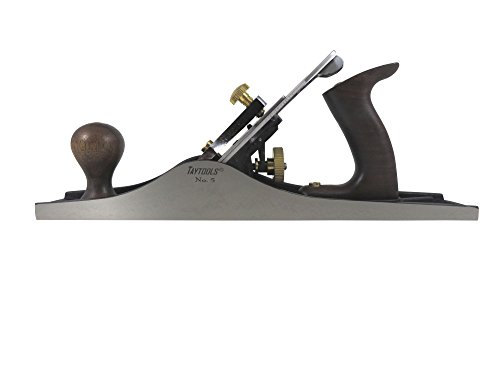
3. Taytools 469607 Jack Smoothing Bench Hand Plane #5
Rating: 8.6/10
The Taytools 469607 Jack Smoothing Bench Hand Plane is a fantastic tool for woodworkers. It’s a #5 plane, which means it’s a versatile size for many tasks. This plane has a long sole, measuring 14-1/4 inches, which helps make your wood surfaces super smooth. The body is made from a strong material called ductile cast iron, so it’s built to last. The handle and tote are made from beautiful Sapele wood, which feels nice in your hands. The blade is made of tough tool steel and stays sharp for a long time.
What We Like:
- The body is made from super strong ductile cast iron.
- The Sapele wood handle and tote feel comfortable and look great.
- The blade is thick and made from tool steel, so it holds a sharp edge.
- The sole is very flat and smooth, which is important for good planing.
- It’s a good weight at 5.45 pounds, making it easy to control.
What Could Be Improved:
- While ductile iron is tough, some users might prefer a heavier plane for certain tasks.
- The blade hardness (RHC 55-60) is excellent, but it’s always good to check for any potential for chipping on very hard woods.
This Taytools hand plane offers excellent quality and performance for its price. It’s a tool that will serve you well for many woodworking projects.
4. Amazon Basics Woodworking Hand Planer – No.4 Adjustable Bench Plane with 2-Inch Blade for Wood Smoothing

Rating: 9.5/10
The Amazon Basics Woodworking Hand Planer is a great tool for anyone who loves working with wood. This No.4 bench plane is designed to help you smooth wood surfaces with ease. Its grey and black color scheme looks good in any workshop. The 2-inch blade is perfect for getting those smooth finishes you want.
What We Like:
- It has a professional quality feel because of its strong cast iron body. This makes it stable and sturdy.
- You get excellent control thanks to the impact-resistant plastic handle. It has a comfortable, contoured grip.
- The steel blade is made of a durable steel alloy. It makes clean, quality cuts on your wood.
- Making adjustments is easy with the adjustable gear. This lets you get very precise results.
What Could Be Improved:
- You need to adjust the plane after you get it. The manual says to follow Point 5 for assembly/disassembly.
This hand planer offers a good balance of features for woodworkers. It’s a solid choice for achieving smooth wood finishes.
5. Groz 39700 SP/3 Smoothing Plane #3 45mm Cutter 240mm Length

Rating: 9.1/10
The Groz 39700 SP/3 Smoothing Plane is a fantastic tool for woodworkers. It’s designed for those final touches that make a project truly shine. This plane helps you achieve a super smooth surface on your wood. Its sturdy build and precise design make it a joy to use for detailed work.
What We Like:
- It’s perfect for getting that super smooth, final finish on your woodworking projects.
- The base is made of strong grey cast iron. This means it’s built to last and won’t easily bend or break.
- The sole (the bottom flat part) is made very flat. It stays flat within a tiny tolerance of 0.003 inches, which is super important for smooth planing.
- The cutter blade is made of strong spring steel. It’s hardened to be tough and can be sharpened easily to keep it working well.
- The adjustable feature lets you control how much wood you shave off, giving you great control.
What Could Be Improved:
- While the cast iron base is robust, it does add some weight, which might not be ideal for very long planing sessions for some users.
- For absolute beginners, understanding the finer points of adjusting the blade might take a little practice.
Overall, the Groz 39700 SP/3 Smoothing Plane is a high-quality tool that delivers excellent results for finishing work. It’s a reliable choice for anyone serious about fine woodworking.
Your Guide to Finding a Great Budget Smoothing Plane
A smoothing plane is a fantastic tool for woodworkers. It helps you make wood surfaces super smooth and flat. This guide will help you pick a good one without spending too much money.
1. Key Features to Look For
Blade and Iron
- Blade Material: Look for a blade made of good steel. High-carbon steel or tool steel holds a sharp edge longer.
- Blade Width: A wider blade (around 2 inches) can remove more wood faster.
- Iron Thickness: A thicker iron is less likely to bend or chatter when you plane.
Body and Construction
- Sole Flatness: The bottom of the plane (the sole) should be perfectly flat. This is super important for smooth results.
- Weight and Balance: A plane that feels good in your hands makes planing easier. It shouldn’t be too heavy or too light.
- Adjustments: Easy-to-use adjustment knobs for the blade are a big plus.
Handle and Knob
- Comfort: The handle and knob should feel comfortable to grip.
- Material: Wood handles are often more comfortable than hard plastic ones.
2. Important Materials
For the Plane Body
- Cast Iron: Most good planes have bodies made of cast iron. It’s strong and heavy, which helps the plane cut smoothly.
- Ductile Iron: This is another type of iron that is strong and less likely to break.
For the Blade (Iron)
- High-Carbon Steel: This steel can be hardened to hold a very sharp edge.
- Tool Steel: Similar to high-carbon steel, it’s designed for cutting and durability.
For Handles and Knobs
- Hardwood: Woods like beech or maple are often used for handles. They feel nice and are durable.
- Plastic: Some budget planes use plastic. It’s usually okay, but wood often feels better.
3. Factors That Improve or Reduce Quality
What Makes a Plane Better
- Precision Machining: When the parts of the plane are made very accurately, it works much better.
- Good Fit and Finish: Parts that fit together tightly and have a smooth finish usually mean a better plane.
- Sharpening Ease: A blade that is easy to sharpen and holds its edge is a big win.
What Can Make a Plane Worse
- Warped Sole: If the bottom of the plane is not flat, it will be very hard to get smooth wood.
- Loose Parts: If the blade or adjustment mechanisms are wobbly, the plane won’t work well.
- Poorly Hardened Blade: A blade that dulls very quickly is frustrating.
- Rough Finish: A plane with rough edges or surfaces can be uncomfortable and look cheap.
4. User Experience and Use Cases
Who Uses Smoothing Planes?
Woodworkers of all levels use smoothing planes. Beginners can use them to learn the basics of planing. Experienced woodworkers use them for final smoothing on projects.
What Can You Do With a Smoothing Plane?
- Flattening Small Surfaces: You can flatten small boards or edges that aren’t perfectly flat.
- Smoothing End Grain: It’s great for making end grain smooth and tear-out free.
- Removing Minor Imperfections: It can clean up small bumps or rough spots on wood.
- Achieving a Fine Finish: After using coarser planes or sandpaper, a smoothing plane gives a beautiful, smooth surface.
A good budget smoothing plane can be a valuable addition to your toolbox. By looking at these features and materials, you can find one that works well for your projects without breaking the bank.
Frequently Asked Questions (FAQ)
Q: What is the most important part of a smoothing plane?
A: The blade is the most important part. It needs to be sharp and made of good steel to cut wood smoothly.
Q: Can I use a smoothing plane on rough lumber?
A: You can, but it’s better to use a coarser plane first to remove the bulk of the roughness. A smoothing plane is for fine finishing.
Q: How often should I sharpen the blade?
A: You should sharpen it whenever it starts to feel dull or you notice it’s not cutting cleanly. This might be after a few minutes or a lot longer, depending on the wood and the blade.
Q: What’s the difference between a smoothing plane and a block plane?
A: A smoothing plane is usually larger and used with two hands. A block plane is smaller, used with one hand, and often for end grain or chamfering edges.
Q: Do I need to flatten the sole of a new budget plane?
A: Sometimes, yes. Even new planes might have a sole that isn’t perfectly flat. Checking and flattening it if needed will make your planing much better.
Q: Are plastic handles bad?
A: Plastic handles are usually okay, but wood handles often feel more comfortable and provide a better grip for longer use.
Q: What does “chatter” mean when planing?
A: Chatter is a vibration that happens when you plane. It leaves tiny ridges on the wood surface, and it means the blade might be loose, dull, or the plane isn’t set up right.
Q: Is it hard to adjust the blade on a budget plane?
A: Most budget planes have simple adjustment screws. It might take a little practice, but it’s usually not too difficult.
Q: Can I use a smoothing plane for jointing edges?
A: A smoothing plane is not ideal for jointing edges. For jointing, you need a longer plane, like a jointer plane, to create a truly straight edge.
Q: What kind of wood is best for practice with a smoothing plane?
A: Softer woods like pine or poplar are good for practicing because they are easier to plane and less likely to cause tear-out.
In conclusion, every product has unique features and benefits. We hope this review helps you decide if it meets your needs. An informed choice ensures the best experience.
If you have any questions or feedback, please share them in the comments. Your input helps everyone. Thank you for reading.

William has over three years of experience in building gazebos. He started AskGazebo.com to assist his clients.