
Gazebos are versatile outdoor structures used for providing shade and shelter, creating entertainment areas, and enhancing landscape design. They offer a perfect blend of functionality and aesthetic appeal, transforming ordinary outdoor living spaces into inviting backyard retreats. This guide explores the myriad gazebo uses and gazebo benefits, providing you with a complete overview to help you decide if a gazebo is right for your needs.
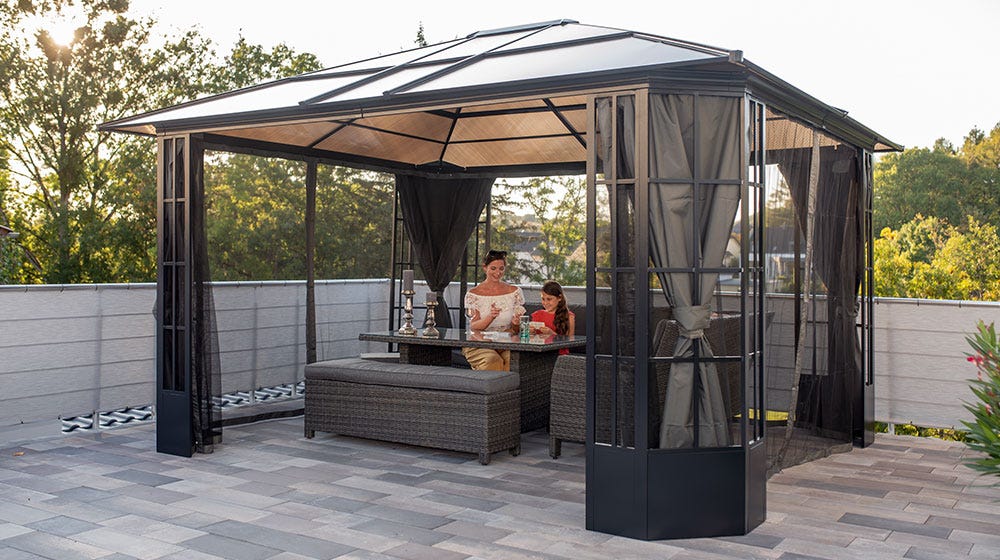
Image Source: www.shelterlogic.com
The Allure of Garden Structures
Gazebos have been cherished additions to gardens and landscapes for centuries. They’re more than just simple shelters; they are architectural focal points that define outdoor living spaces.
Gazebos Through History
Throughout history, gazebos have represented elegance and leisure. From the ornate structures in royal gardens to the simpler designs in suburban backyards, they offer a place to escape, relax, and enjoy the beauty of the outdoors.
Modern Gazebo Designs
Today’s gazebos come in a variety of materials, sizes, and designs. From traditional wood gazebos to modern metal structures, there’s a style to suit every taste and complement any existing landscape design.
Gazebo Benefits: Why Consider One?
Adding a gazebo to your property offers numerous advantages. These backyard retreats can significantly enhance your outdoor experience and increase your home’s value.
Shade and Shelter
One of the primary gazebo benefits is protection from the elements. Gazebos offer shade during hot summer days, making outdoor activities more enjoyable. They also provide shelter from light rain, allowing you to continue your outdoor fun even when the weather isn’t perfect.
Creating Entertainment Areas
Gazebos are perfect for creating dedicated entertainment areas. They can be set up as outdoor dining spaces for family meals, used as a bar area for social gatherings, or even transformed into a cozy lounge area for relaxation.
Enhancing Relaxation Spaces
A gazebo can be a peaceful haven for relaxation. Imagine unwinding with a good book, meditating in a serene setting, or simply enjoying the fresh air and natural surroundings. Gazebos can become personal relaxation spaces, away from the hustle and bustle of daily life.
Boosting Landscape Design
Gazebos add a touch of elegance and sophistication to any landscape design. They serve as visual anchors, drawing the eye and creating a focal point in your yard. Their architectural design enhances the overall aesthetic appeal of your outdoor space.
Gazebo Uses: Exploring the Possibilities
The versatility of gazebos allows for a wide range of gazebo uses. Here are some popular ways to incorporate a gazebo into your outdoor living spaces:
Outdoor Dining: A Culinary Retreat
Turn your gazebo into an outdoor dining space for memorable meals with family and friends.
- Furniture: Choose a dining table and chairs that fit comfortably within the gazebo’s dimensions.
- Lighting: Install ambient lighting, such as string lights or lanterns, to create a warm and inviting atmosphere.
- Decor: Add plants, flowers, and decorative elements to personalize the space.
Relaxation Zone: Your Personal Oasis
Create a serene relaxation zone where you can unwind and de-stress.
- Comfortable Seating: Opt for plush seating options like lounge chairs, sofas, or hammocks.
- Soft Furnishings: Use cushions, pillows, and throws to enhance comfort and create a cozy atmosphere.
- Privacy: Add curtains or screens for added privacy and seclusion.
Entertainment Hub: Hosting with Style
Transform your gazebo into an entertainment hub for social gatherings and events.
- Bar Area: Set up a bar area with a counter, stools, and storage for drinks and glassware.
- Sound System: Install a sound system for playing music and creating a lively atmosphere.
- Seating Arrangement: Arrange seating to encourage conversation and interaction among guests.
Garden Feature: A Visual Masterpiece
Use your gazebo as a striking garden feature to enhance your landscape design.
- Planting: Surround the gazebo with colorful flowers, shrubs, and climbing plants.
- Pathways: Create pathways leading to the gazebo to invite exploration and discovery.
- Water Features: Add a small fountain or pond nearby to enhance the tranquility of the space.
Hot Tub Enclosure: Privacy and Comfort
Enclose your hot tub within a gazebo for added privacy and protection from the elements.
- Privacy Screens: Install privacy screens or curtains to create a secluded and intimate space.
- Ventilation: Ensure proper ventilation to prevent moisture buildup and maintain air quality.
- Non-Slip Flooring: Use non-slip flooring materials to ensure safety around the hot tub.
Wedding Venue: A Romantic Setting
A gazebo can serve as a beautiful and romantic setting for outdoor weddings.
- Decorations: Decorate the gazebo with flowers, ribbons, and fabrics to create a festive atmosphere.
- Seating: Arrange seating for guests around the gazebo to provide a comfortable viewing area.
- Lighting: Use soft lighting to create a romantic ambiance.
Choosing the Right Gazebo
Selecting the right gazebo involves considering several factors to ensure it meets your needs and complements your outdoor space.
Materials: Durability and Aesthetics
Gazebos are typically made from wood, metal, or vinyl. Each material has its own set of advantages and disadvantages.
- Wood: Offers a natural and classic look but requires regular maintenance to prevent rot and insect damage.
- Metal: Provides durability and strength but can be susceptible to rust and corrosion.
- Vinyl: Is low-maintenance and weather-resistant but may not have the same aesthetic appeal as wood or metal.
Here is a table summarizing the pros and cons of different materials:
| Material | Pros | Cons |
|---|---|---|
| Wood | Natural look, classic appeal | Requires regular maintenance, susceptible to rot and insect damage |
| Metal | Durable, strong | Susceptible to rust and corrosion, can get hot in direct sunlight |
| Vinyl | Low-maintenance, weather-resistant | May lack aesthetic appeal, can be less sturdy than wood or metal |
Size and Shape: Functionality and Space
Consider the size and shape of your gazebo in relation to your available space and intended uses.
- Size: Choose a size that comfortably accommodates your desired furniture and activities without overwhelming the surrounding area.
- Shape: Opt for a shape that complements your landscape design and provides the desired aesthetic appeal. Common shapes include round, square, rectangular, and hexagonal.
Style: Complementing Your Home
Select a gazebo style that complements your home’s architecture and your personal taste.
- Traditional: Features classic designs with intricate details and ornate embellishments.
- Modern: Showcases sleek lines, minimalist designs, and contemporary materials.
- Rustic: Emphasizes natural materials, earthy tones, and a relaxed, informal aesthetic.
Gazebo Maintenance: Preserving Your Investment
Proper maintenance is essential to prolong the life of your gazebo and keep it looking its best.
Regular Cleaning
Clean your gazebo regularly to remove dirt, debris, and stains. Use a mild detergent and water solution, and scrub gently with a soft brush or cloth.
Inspecting for Damage
Inspect your gazebo periodically for signs of damage, such as rot, rust, or cracks. Address any issues promptly to prevent them from worsening.
Applying Protective Coatings
Apply protective coatings, such as paint, stain, or sealant, to protect your gazebo from the elements and prevent damage. Reapply coatings as needed, following the manufacturer’s instructions.
Here is a maintenance checklist:
- Monthly: Sweep or hose down the gazebo floor to remove dirt and debris.
- Quarterly: Inspect the roof for leaks and repair any damage.
- Annually: Apply a fresh coat of paint or stain to protect the wood from the elements.
Cost Considerations: Budgeting for Your Gazebo
The cost of a gazebo can vary widely depending on the materials, size, style, and installation requirements.
Budgeting Tips
- Set a Realistic Budget: Determine how much you’re willing to spend on a gazebo before you start shopping.
- Compare Prices: Shop around and compare prices from different retailers and manufacturers.
- Consider DIY Options: If you’re handy, consider building your own gazebo to save on installation costs.
Cost-Saving Strategies
- Choose Affordable Materials: Opt for less expensive materials, such as vinyl or metal, to reduce the overall cost.
- Buy During Off-Season: Look for sales and discounts during the off-season when demand is lower.
- Negotiate Prices: Don’t be afraid to negotiate prices with retailers and manufacturers to get the best deal.
Preparing the Site: Getting Ready for Installation
Proper site preparation is crucial for ensuring a successful gazebo installation.
Leveling the Ground
Ensure the ground is level and stable before installing your gazebo. Use a level and shovel to correct any unevenness.
Creating a Foundation
Create a solid foundation for your gazebo to prevent it from sinking or shifting over time. Options include concrete pads, gravel beds, or wooden platforms.
Obtaining Permits
Check with your local authorities to determine if you need any permits or approvals before installing your gazebo.
Frequently Asked Questions (FAQ)
What is the main purpose of a gazebo?
A gazebo’s main purpose is to provide shade and shelter in an outdoor space, creating a comfortable area for relaxation, entertainment, or dining.
Can I build a gazebo myself?
Yes, you can build a gazebo yourself if you have the necessary skills and tools. DIY gazebo kits are also available, offering a convenient option for homeowners.
Who is responsible for gazebo maintenance?
The homeowner is typically responsible for gazebo maintenance, including regular cleaning, inspections, and repairs.
What are the benefits of adding a gazebo to my property?
Gazebo benefits include enhancing your outdoor living spaces, providing shade and shelter, creating entertainment areas, boosting landscape design, and potentially increasing your home’s value.
How much does a gazebo typically cost?
Gazebo costs vary widely, ranging from a few hundred dollars for small, basic models to several thousand dollars for larger, more elaborate structures. The price depends on the materials, size, style, and installation requirements.
Conclusion: Elevating Your Outdoor Experience
Unlocking a world of outdoor charm, gazebos are more than just garden structures; they’re portals to personalized backyard sanctuaries. Imagine escaping the sun’s glare or a sudden shower, all while hosting memorable gatherings or simply savoring a quiet moment amidst your flourishing landscape. The magic of a gazebo lies in its ability to weave shade, shelter, and style into your exterior canvas, promising to elevate your outdoor living to an art form. With a clear vision of your desires and financial plan, you can discover the ideal gazebo to crown your property and cultivate an enduring escape.

William has over three years of experience in building gazebos. He started AskGazebo.com to assist his clients.