
Yes, you can make a gazebo waterproof. There are various gazebo waterproofing methods available, ranging from applying sealants and weatherproofing sprays to replacing the canopy with a waterproof gazebo canopy. The best approach depends on the gazebo’s current condition, materials, and your budget. This article explores how to enhance gazebo water resistance and protect it from the elements for long-term enjoyment.
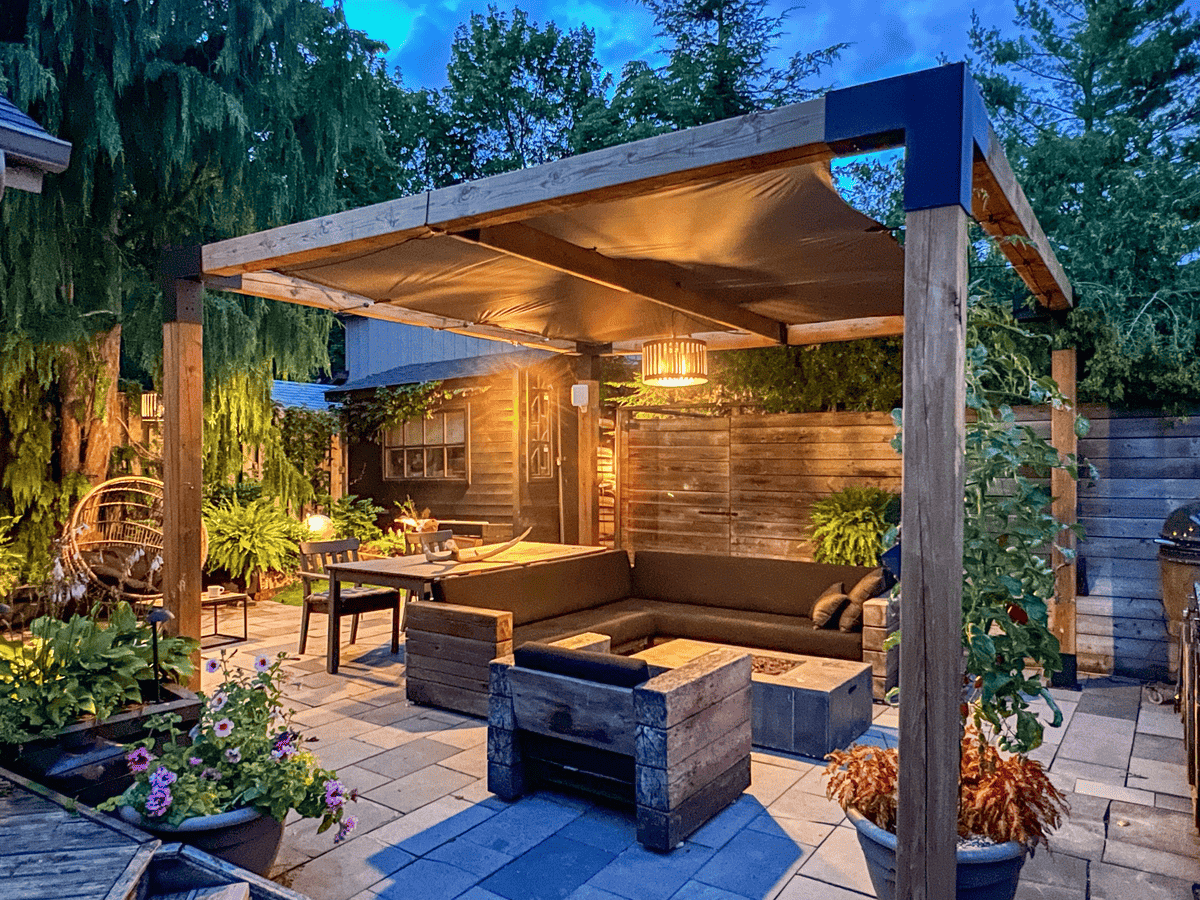
Image Source: www.theartofdoingstuff.com
Gauging Your Gazebo’s Current Water Resistance
Before jumping into gazebo waterproofing, it’s essential to determine your gazebo’s existing level of protection against water damage.
Inspecting for Existing Damage
- Canopy: Look for tears, rips, fading, or signs of water damage like mildew or mold.
- Frame: Check for rust, rot, or weakened joints, particularly at the base of the legs.
- Seams and Stitching: Examine for loose threads, gaps, or fraying, especially on the canopy.
- Hardware: Assess the condition of bolts, screws, and other fasteners for corrosion or looseness.
Identifying Vulnerable Areas
- Seams: These are common entry points for water, especially if the stitching is weak or worn.
- Zippers and Closures: If your gazebo has walls or netting, check the zippers and closures for gaps or damage.
- Ventilation Openings: While ventilation is important, poorly designed openings can allow rain to enter.
- Areas Near the Ground: Moisture can wick up from the ground, damaging the frame and lower portions of the canopy.
Waterproof Gazebo Options: Materials Matter
The material your gazebo is made from significantly impacts its ability to withstand rain and moisture.
Canopy Materials
| Material | Water Resistance | Durability | Pros | Cons |
|---|---|---|---|---|
| Polyester | Moderate | Moderate | Affordable, lightweight, available in many colors and designs. | Can fade or tear over time; needs regular treatment for enhanced water resistance. |
| Olefin | High | High | Excellent water resistance, fade-resistant, durable. | More expensive than polyester; fewer color and design options. |
| Acrylic | High | High | Exceptional water resistance, fade-resistant, very durable, resists mildew. | Most expensive option; may require professional cleaning. |
| Vinyl | Very High | Very High | Completely waterproof, easy to clean, very durable. | Can be less breathable than other materials; may not be as aesthetically pleasing as fabric options. |
| Coated Canvas | High | High | Durable and waterproof due to the coating. Coating can be made of PVC, Acrylic or Polyurethane, which gives excellent waterproof quality. | Can be costly than non-coated fabrics and it might require more maintenance. |
Frame Materials
- Aluminum: Lightweight, rust-resistant, but can dent or bend under heavy loads.
- Steel: Strong and durable but susceptible to rust if not properly coated.
- Wood: Naturally beautiful but requires regular sealing and staining to prevent rot and water damage.
Gazebo Weatherproofing Methods: Sealing the Deal
Here’s a detailed look at gazebo weatherproofing methods you can use.
Sealing a Gazebo: A Step-by-Step Guide
- Clean the Surface: Remove dirt, debris, mildew, or mold from the canopy and frame. Use a mild soap and water solution, followed by a thorough rinse.
- Apply Seam Sealer: Use a seam sealer specifically designed for outdoor fabrics to seal all seams and stitching on the canopy. Apply liberally and allow it to dry completely according to the manufacturer’s instructions.
- Waterproofing Spray: Apply a waterproof gazebo spray to the entire canopy. Ensure even coverage and allow it to dry completely. Reapply as needed, especially after heavy rain or washing.
- Frame Protection: If your frame is made of wood, apply a sealant or stain to protect it from moisture. For steel frames, use a rust-inhibiting primer and paint.
Waterproof Gazebo Canopy: Replacement Options
If your current canopy is beyond repair, consider replacing it with a waterproof gazebo canopy made of more durable materials.
- Measure Carefully: Accurately measure your gazebo’s frame to ensure the replacement canopy fits properly.
- Choose the Right Material: Select a material that offers the desired level of water resistance and durability, such as olefin, acrylic, or vinyl.
- Consider Features: Look for features like UV protection, mildew resistance, and reinforced seams.
Comprehensive Protection: Beyond the Basics
- Gazebo Curtains or Walls: Adding waterproof curtains or walls can provide additional protection from rain and wind.
- Anchoring: Secure your gazebo to the ground to prevent it from being blown over in strong winds, which can cause damage and expose it to the elements.
- Gutter Systems: Install a small gutter system to divert rainwater away from the gazebo, preventing water from pooling around the base.
- Gazebo Cover: When the gazebo is not in use, cover it with a waterproof gazebo cover to protect it from the elements.
Gazebo Rain Protection: Specific Techniques
Focusing on specific techniques for effective gazebo rain protection is key.
Enhancing Canopy Water Repellency
- Water Repellent Sprays: These sprays create a barrier that causes water to bead up and roll off the canopy. Reapply regularly for continued protection.
- Fabric Sealants: These sealants penetrate the fabric fibers, making them more water-resistant. They typically last longer than water repellent sprays.
Shielding the Frame
- Waterproof Paint: Apply waterproof paint to wooden frames to prevent moisture from seeping into the wood.
- Rust Inhibitors: Use rust inhibitors on steel frames to prevent corrosion.
- Elevated Base: Consider elevating the gazebo on a platform or concrete base to protect the frame from ground moisture.
Addressing Common Leak Points
- Seam Reinforcement: Reinforce weak seams with seam tape or additional stitching.
- Zipper Protection: Use zipper lubricant to keep zippers functioning smoothly and prevent them from sticking or leaking.
- Ventilation Covers: Install covers over ventilation openings to prevent rain from entering.
Making a Gazebo Leak-Proof: Advanced Strategies
Achieving a truly leak-proof gazebo requires a more detailed approach.
Professional Sealing
- Hire a Professional: Consider hiring a professional awning or tent repair service to seal your gazebo. They have specialized equipment and expertise to ensure a watertight seal.
Custom Solutions
- Custom Canopies: Design a custom canopy with reinforced seams, waterproof zippers, and integrated rain gutters.
- Modified Frame: Modify the frame to include features like drip edges or channels to direct water away from the gazebo.
Preventative Maintenance
- Regular Cleaning: Clean the canopy and frame regularly to remove dirt, debris, and mildew.
- Prompt Repairs: Repair any damage promptly to prevent it from worsening.
- Seasonal Inspections: Conduct seasonal inspections to identify and address potential problems before they become major issues.
Gazebo Water Damage Prevention: A Proactive Approach
Preventing water damage is more effective than dealing with it after it occurs.
Site Selection
- Proper Drainage: Choose a location with good drainage to prevent water from pooling around the gazebo.
- Avoid Low-Lying Areas: Avoid placing the gazebo in low-lying areas where water tends to accumulate.
Ground Protection
- Gravel Base: Create a gravel base beneath the gazebo to improve drainage and prevent ground moisture from wicking up.
- Weed Barrier: Install a weed barrier beneath the gravel to prevent weeds from growing and trapping moisture.
Storage Practices
- Proper Storage: When not in use, store the canopy and frame in a dry, well-ventilated area.
- Avoid Stacking: Avoid stacking heavy items on top of the canopy, as this can damage the fabric and weaken the seams.
Best Waterproof Gazebo Materials: A Comparison
Here’s a closer look at the best materials for creating a waterproof gazebo.
For Canopies
| Material | Waterproof Rating | UV Protection | Durability | Cost | Best For |
|---|---|---|---|---|---|
| Vinyl | Excellent | Good | Excellent | High | Permanent gazebos, extreme weather conditions |
| Acrylic | Excellent | Excellent | Excellent | Very High | High-end gazebos, maximum protection |
| Olefin | Very Good | Very Good | Very Good | Moderate | General use, good balance of protection and cost |
| Coated Polyester | Good | Moderate | Good | Moderate | Budget-friendly option, requires regular maintenance |
For Frames
| Material | Water Resistance | Strength | Maintenance | Cost | Best For |
|---|---|---|---|---|---|
| Aluminum (Powder-Coated) | Excellent | Good | Low | Moderate | Lightweight, rust-resistant, general use |
| Steel (Galvanized) | Excellent | Excellent | Moderate | Moderate | Strong, durable, requires rust prevention |
| Wood (Treated) | Good | Good | High | Moderate | Aesthetic appeal, requires regular sealing |
| Composite Materials | Excellent | Good | Low | High | Durable, low-maintenance, eco-friendly |
Fathoming Gazebo Waterproofing: Common Misconceptions
There are a few misconceptions about gazebo waterproofing that are worth clarifying.
- “All Gazebos are Waterproof”: This is false. Many gazebos are water-resistant but not fully waterproof. They may withstand light rain but leak in heavy downpours.
- “Waterproofing is a One-Time Task”: Waterproofing requires ongoing maintenance. Sealants and sprays need to be reapplied regularly to maintain their effectiveness.
- “Cheap Waterproofing Products are Just as Good”: Lower-quality products may not provide adequate protection and can break down quickly, requiring more frequent reapplication.
FAQ: Frequently Asked Questions
Q: What is the best way to waterproof a gazebo canopy?
A: The best way is to combine seam sealing with a waterproof spray. Clean the canopy, seal the seams, apply the spray evenly, and reapply as needed.
Q: Can I use a tarp to waterproof my gazebo?
A: Yes, a tarp can provide temporary gazebo waterproofing, but it’s not a long-term solution. Tarps can be unsightly, noisy in the wind, and may not fit the gazebo properly.
Q: Who is best suited to apply waterproof coating on a gazebo?
A: Applying a waterproof coating is suitable for most DIY enthusiasts. However, for complex sealing or custom solutions, a professional awning or tent repair service is recommended.
Q: What kind of damage can water do to my gazebo?
A: Water damage can cause rust, rot, mildew, mold, and weakened structural integrity, potentially leading to costly repairs or replacement.
Q: How often should I reapply waterproofing spray to my gazebo canopy?
A: Reapply waterproofing spray every 3-6 months, or more frequently if you live in an area with heavy rainfall.
Q: Are there any eco-friendly gazebo waterproofing options?
A: Yes, look for water-based sealants and sprays that are low in VOCs (volatile organic compounds) and made from sustainable materials.
Q: Can I waterproof a gazebo with mosquito netting?
A: No, mosquito netting is designed for ventilation and will not provide adequate water protection. Consider adding waterproof curtains or walls in addition to the netting.
Q: What is the cost of waterproofing a gazebo?
A: The cost can range from $20 for a can of waterproofing spray to several hundred dollars for professional sealing or a replacement canopy.
Armed with these principles and the perfect blend of materials and methods, you’ll transform your gazebo into a cozy haven, impervious to the elements and ready for seasons of enjoyment, rain or shine.

William has over three years of experience in building gazebos. He started AskGazebo.com to assist his clients.