
Securing a gazebo from wind on concrete requires effective anchoring solutions. What is the best way to secure a gazebo on concrete from wind? The best methods involve using specialized anchors designed for concrete, such as wedge anchors, sleeve anchors, or chemical anchors, in combination with gazebo tie-down methods, weights, and wind straps. This comprehensive guide explains exactly how to secure your gazebo to a concrete surface, ensuring its stability and longevity, even in high winds.
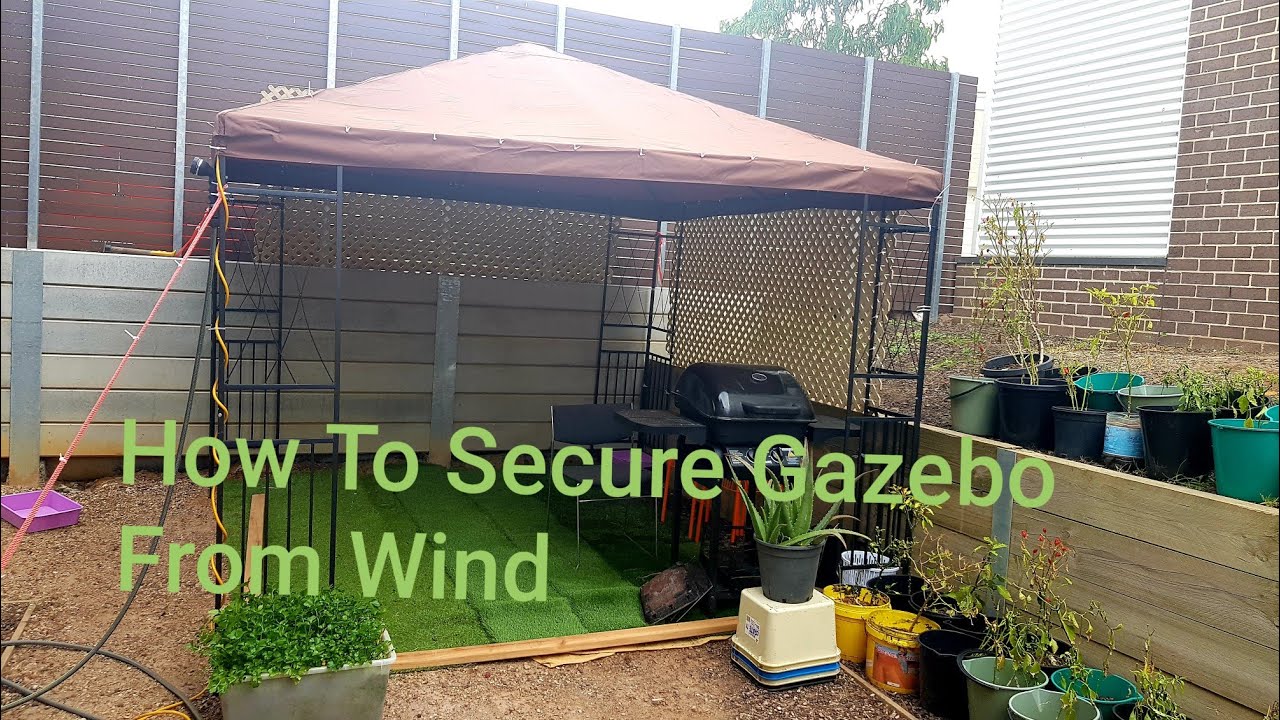
Image Source: i.ytimg.com
Why Securing Your Gazebo to Concrete is Crucial
Gazebos add beauty and functionality to outdoor spaces, but they are vulnerable to wind damage, especially when placed on concrete surfaces. Unlike soil, concrete doesn’t allow for traditional ground anchors. This means you need specialized techniques to ensure your gazebo remains stable during storms and gusts. The importance of proper gazebo anchoring concrete cannot be overstated.
- Preventing Damage: Strong winds can easily lift and carry away unsecured gazebos, causing damage to the structure itself and potentially to surrounding property.
- Ensuring Safety: A flying gazebo poses a significant safety hazard. Proper anchoring protects people from injury.
- Protecting Investment: Gazebos are a significant investment. Securing it properly protects your investment from weather-related damages, saving you money in the long run.
- Maintaining Aesthetics: A damaged or toppled gazebo is an eyesore. Securing it keeps your outdoor space looking its best.
- Peace of Mind: Knowing your gazebo is securely anchored provides peace of mind, especially during severe weather.
Fathoming Wind’s Impact on Gazebos
To effectively secure a gazebo, it’s vital to grasp how wind affects these structures. Several factors contribute to wind-related issues:
- Wind Speed: Higher wind speeds exert more force on the gazebo.
- Gazebo Size and Shape: Larger gazebos and those with solid walls catch more wind.
- Location: Gazebos in open areas or on elevated surfaces are more exposed to wind.
- Material: Lighter materials are more susceptible to wind damage than heavier ones.
- Design: Gazebos with closed roofs and walls experience greater uplift from wind pressure.
Deciphering Concrete Anchoring Options
When it comes to gazebo anchoring concrete, several options are available. Each has its strengths and weaknesses:
1. Wedge Anchors
Wedge anchors are one of the most popular and reliable methods for securing a gazebo to concrete. They work by inserting a threaded rod into a pre-drilled hole in the concrete. As you tighten the nut, a clip expands, wedging the anchor securely in place.
- Pros: High holding power, easy to install, readily available.
- Cons: Requires drilling precise holes, can be challenging to remove.
Installation Steps:
- Mark the Anchor Points: Position the gazebo and mark where the posts meet the concrete.
- Drill Pilot Holes: Use a hammer drill with a carbide-tipped bit to drill pilot holes through the gazebo’s base plates and into the concrete. Make sure the hole depth matches the anchor length.
- Insert the Anchors: Insert the wedge anchors through the gazebo’s base plates and into the pre-drilled holes.
- Tighten the Nuts: Tighten the nuts on the wedge anchors using a wrench. This will expand the clip and secure the gazebo to the concrete.
2. Sleeve Anchors
Sleeve anchors are similar to wedge anchors, but they use a sleeve that expands as the bolt is tightened. This creates a strong, reliable hold in the concrete.
- Pros: Good holding power, easy to install, suitable for various concrete thicknesses.
- Cons: Requires drilling, can be more expensive than wedge anchors.
Installation Steps:
- Mark Anchor Points: As with wedge anchors, start by marking where the gazebo posts will be anchored.
- Drill Holes: Drill holes through the gazebo’s base plates and into the concrete, matching the diameter and depth required for the sleeve anchors.
- Insert Anchors: Insert the sleeve anchors through the base plates and into the holes.
- Tighten Bolts: Tighten the bolts on the sleeve anchors to expand the sleeve and secure the gazebo.
3. Chemical Anchors
Chemical anchors use a resin-based adhesive to bond threaded rods to the concrete. This method is particularly useful for heavy-duty applications or when working with damaged concrete.
- Pros: Extremely high holding power, suitable for damaged concrete, can be used in tight spaces.
- Cons: Requires special equipment, longer curing time, more expensive than mechanical anchors.
Installation Steps:
- Drill Holes: Drill holes according to the chemical anchor manufacturer’s specifications.
- Clean the Holes: Thoroughly clean the holes to remove dust and debris.
- Inject the Adhesive: Inject the chemical adhesive into the holes using a dispensing gun.
- Insert Threaded Rods: Insert threaded rods into the adhesive-filled holes.
- Allow Curing: Allow the adhesive to cure completely before applying any load.
- Attach Gazebo: Attach the gazebo to the threaded rods using nuts and washers.
4. Concrete Screws
Concrete screws, like Tapcon screws, are self-tapping screws designed to be driven directly into concrete without the need for anchors.
- Pros: Easy to install, no need for separate anchors, good for lighter structures.
- Cons: Lower holding power compared to wedge or sleeve anchors, may not be suitable for high-wind areas.
Installation Steps:
- Mark Anchor Points: Mark where you want to secure the gazebo.
- Drill Pilot Holes: Drill pilot holes through the gazebo’s base plates and into the concrete, using a drill bit specified for concrete screws.
- Drive in Screws: Drive the concrete screws through the base plates and into the pilot holes using a drill or impact driver.
Table: Comparison of Concrete Anchoring Options
| Anchor Type | Holding Power | Ease of Installation | Cost | Best Use |
|---|---|---|---|---|
| Wedge Anchors | High | Medium | Moderate | General-purpose, high-wind areas |
| Sleeve Anchors | High | Medium | Moderate | General-purpose, varying concrete thicknesses |
| Chemical Anchors | Very High | Difficult | High | Heavy-duty, damaged concrete, tight spaces |
| Concrete Screws | Medium | Easy | Low | Lighter structures, less demanding wind conditions |
Augmenting Gazebo Wind Protection Concrete
Beyond anchors, consider these supplementary methods to boost your gazebo’s wind resistance concrete:
1. Gazebo Weights Concrete Base
Using weights is a simple and effective way to add stability to your gazebo. Weights can be placed on the base of the gazebo legs to help hold it down.
- Sandbags: Readily available and inexpensive, sandbags provide a substantial amount of weight.
- Concrete Blocks: Durable and heavy, concrete blocks offer excellent stability.
- Water Weights: Easy to fill and empty, water weights are a convenient option.
- Gazebo Leg Weights: Specifically designed weights that fit around the gazebo legs for a secure fit.
Placement Tips:
- Distribute weights evenly around the base of the gazebo.
- Use heavier weights for areas prone to high winds.
- Ensure weights are securely attached to the gazebo frame to prevent them from shifting.
2. Gazebo Wind Straps Concrete
Gazebo wind straps concrete are designed to secure the gazebo frame to the concrete surface. These straps are typically made of durable materials like nylon or polyester and can be attached to anchors embedded in the concrete.
- Benefits: Provides extra security, prevents the gazebo from lifting, relatively easy to install.
- Installation: Attach one end of the strap to the gazebo frame and the other end to a concrete anchor. Tighten the strap to secure the gazebo.
3. Windbreaks
Creating windbreaks around your gazebo can significantly reduce the amount of wind force it experiences.
- Natural Windbreaks: Plant trees or shrubs around the gazebo to deflect wind.
- Artificial Windbreaks: Use screens, fences, or walls to block wind.
- Considerations: Ensure windbreaks do not obstruct views or create other hazards.
4. Canopy Modifications
Modifying the gazebo canopy can help reduce wind resistance.
- Ventilation: Install vents in the canopy to allow wind to pass through.
- Removable Canopy: Use a canopy that can be easily removed during strong winds.
- Reinforced Canopy: Use a canopy made of durable, wind-resistant material.
5. Gazebo Tie-Down Methods Concrete
Gazebo tie-down methods concrete involve using ropes or straps to secure the gazebo frame to the concrete surface. This method is often used in conjunction with anchors or weights.
- Rope Tie-Downs: Use strong ropes to tie the gazebo frame to concrete anchors.
- Strap Tie-Downs: Use ratchet straps or cam buckle straps for added security.
- Placement: Secure tie-downs to multiple points on the gazebo frame and concrete surface.
Table: Comparing Wind Protection Methods
| Method | Effectiveness | Ease of Implementation | Cost | Considerations |
|---|---|---|---|---|
| Weights | Medium | Easy | Low to Med | May not be sufficient in very high winds |
| Wind Straps | High | Medium | Moderate | Requires concrete anchors |
| Windbreaks | Medium | Medium | Med to High | Requires space and planning |
| Canopy Mods | Medium | Easy to Medium | Low to Med | May affect aesthetics or functionality |
| Tie-Downs | High | Medium | Low | Requires secure anchor points |
Securing Gazebo Heavy Winds Concrete: A Comprehensive Approach
For areas prone to severe weather, a multi-faceted approach is best.
- Choose the Right Anchors: Select wedge or sleeve anchors for maximum holding power. Chemical anchors may be used for extreme conditions.
- Add Weights: Use sandbags or concrete blocks to weigh down the gazebo legs.
- Install Wind Straps: Secure the gazebo frame to the concrete with wind straps.
- Create Windbreaks: Plant trees or erect fences to deflect wind.
- Modify the Canopy: Install vents or use a removable canopy.
- Use Tie-Downs: Secure the gazebo frame to concrete anchors with ropes or straps.
Maintaining Gazebo Stability Concrete Patio
Regular maintenance is key to ensuring your gazebo remains secure over time.
- Inspect Anchors: Check anchors regularly for signs of corrosion or damage. Replace as needed.
- Tighten Bolts: Tighten all bolts and connections periodically.
- Check Weights: Ensure weights are securely in place and in good condition.
- Maintain Windbreaks: Trim trees and shrubs to prevent them from becoming overgrown.
- Monitor Canopy: Inspect the canopy for tears or damage. Repair or replace as needed.
Grasping The Importance of Professional Installation
While many of these methods can be implemented by homeowners, professional installation is often recommended, especially for complex anchoring solutions or high-wind areas.
- Expertise: Professionals have the knowledge and experience to select the right anchoring system for your specific gazebo and concrete surface.
- Proper Tools: Professionals have the necessary tools and equipment to install anchors correctly.
- Safety: Professional installation ensures the gazebo is secured safely and effectively.
- Warranty: Professional installations often come with a warranty, providing added peace of mind.
Choosing the Right Gazebo: Wind Resistance Concrete
When purchasing a gazebo, consider its inherent wind resistance concrete capabilities.
- Frame Material: Opt for gazebos with sturdy frames made of steel or aluminum.
- Canopy Material: Choose canopies made of wind-resistant materials like polyester or acrylic.
- Design: Select gazebos with aerodynamic designs that minimize wind resistance.
- Reviews: Read reviews from other customers to assess the gazebo’s performance in windy conditions.
FAQ: Securing Your Gazebo
Can I secure a pop-up gazebo to concrete?
Yes, but pop-up gazebos require extra care. Use sandbags or weights on each leg and consider using specialized tie-down kits designed for pop-up structures and concrete surfaces. While concrete screws can be used, their holding power is limited.
What type of concrete anchor is best for a gazebo?
Wedge anchors and sleeve anchors generally offer the best balance of holding power and ease of installation. For very heavy-duty applications or damaged concrete, chemical anchors may be preferable.
How much weight do I need to secure my gazebo?
The amount of weight needed depends on the size and design of the gazebo and the wind conditions in your area. As a general guideline, use at least 50 pounds of weight per leg. In high-wind areas, increase the weight to 100 pounds or more per leg.
Is it necessary to drill into my concrete patio?
Drilling provides the most secure anchoring solution. However, if you’re hesitant to drill, weights and tie-down straps can provide some stability, though they are not as reliable in high winds.
How do I remove concrete anchors if I want to move my gazebo?
Wedge anchors can be removed by loosening the nut and tapping the anchor with a hammer to release the clip. Sleeve anchors can be removed by unscrewing the bolt. Chemical anchors may require specialized tools or professional assistance to remove. Concrete screws can simply be unscrewed.
What are gazebo ground anchors concrete?
“Gazebo ground anchors concrete” is a bit of a misnomer because “ground anchors” traditionally refer to anchors that go into the ground (soil, dirt, etc.) Since concrete is not ground, the correct term would be “concrete anchors”. However, if someone asks this question, they are typically inquiring about anchoring solutions that secure a gazebo to a concrete surface, as detailed in the article.
How effective are gazebo fastening concrete slab methods in hurricane-prone areas?
In hurricane-prone areas, the effectiveness of gazebo fastening concrete slab methods is crucial. A multi-faceted approach is necessary, including heavy-duty chemical anchors, reinforced wind straps, substantial weights, and potentially temporary windbreaks. Consulting with a structural engineer is highly recommended to ensure the gazebo can withstand hurricane-force winds. Additionally, consider disassembling and storing the gazebo during hurricane warnings.
With a little care and a touch of personalization, you can transform your gazebo into a steadfast sanctuary, ready to weather any breeze and remain your favorite outdoor retreat.

William has over three years of experience in building gazebos. He started AskGazebo.com to assist his clients.