
Want to build a gazebo? A gazebo is a freestanding structure, often open on all sides, that provides shade and shelter. Building one yourself can be a rewarding project. This gazebo construction guide will walk you through every step, from planning to the finishing touches.
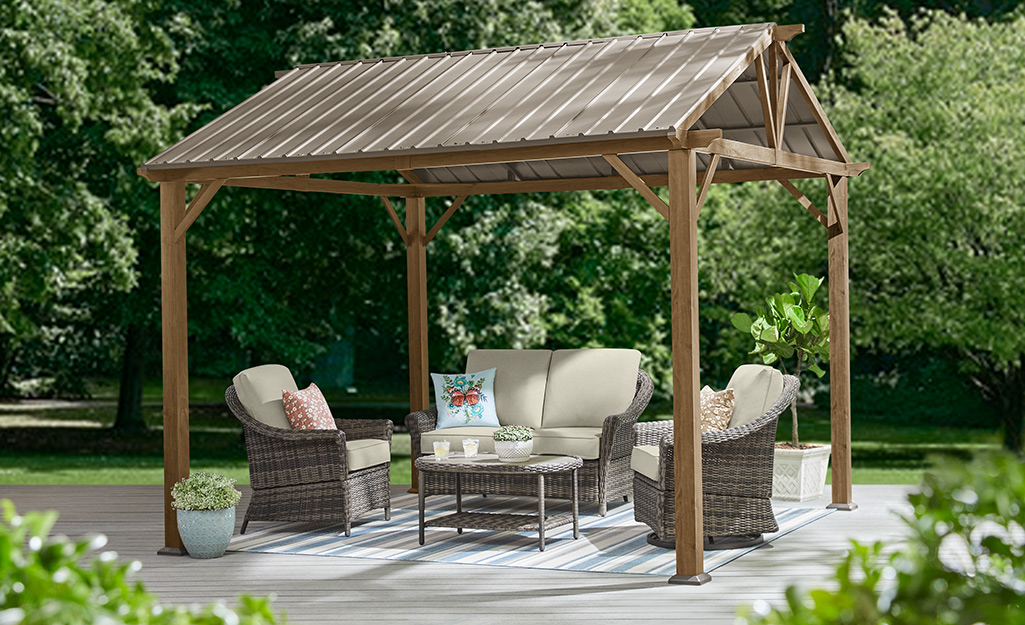
Image Source: contentgrid.homedepot-static.com
Why Build a Gazebo?
Imagine your backyard unfurling into a haven with the addition of a gazebo, a crowning jewel that instantly elevates your outdoor living. More than just a structure, it becomes your personal sanctuary for quiet reflection, a vibrant hub for lively gatherings, and a timeless enhancement to your property’s allure, breathing new life into your landscape and offering an irresistible invitation to linger outdoors.
Planning Your Gazebo Project
Careful planning is key to a successful gazebo building project. Before you even pick up a tool, consider these factors:
Location, Location, Location
- Purpose: What will you primarily use the gazebo for? Dining, relaxing, or hot tub enclosure? Choose a location that suits its intended use.
- Sunlight: Consider the amount of sunlight the area receives. Do you want full sun or partial shade?
- Accessibility: How easy is it to get to the location with materials and tools? Is it easily accessible from the house?
- View: Choose a spot with a pleasant view.
- Ground Conditions: Is the ground level? Is it well-drained? Sloping or unstable ground will require more preparation.
Size and Shape
- Dimensions: Determine the ideal size based on your needs and available space. A 10×10 gazebo is a common size, but you might need something larger or smaller.
- Shape: Gazebos come in various shapes: round, square, rectangular, hexagonal, and octagonal. Choose a shape that complements your yard and style.
Style and Design
- Aesthetic: What style are you looking for? Victorian, rustic, modern? Consider your home’s architecture and the overall look of your yard.
- Materials: What materials will you use? Wood, metal, or a combination?
- Roof Design: The roof is a prominent feature. Consider different gazebo roof designs, such as a simple gable, a hip roof, or a more elaborate cupola.
Legal Considerations: Gazebo Building Permits
- Local Regulations: Check with your local building department about gazebo building permits. Many areas require permits for structures above a certain size or height.
- Homeowners Association: If you belong to a homeowners association, check their guidelines. They may have restrictions on size, style, or location.
Gathering Your Resources
Gazebo Building Plans: DIY or Purchased?
- DIY Gazebo Instructions: Find gazebo building plans online, in books, or magazines. Ensure the plans are detailed and easy to follow.
- Assembling a Gazebo Kit: Consider a pre-made kit. Assembling a gazebo kit simplifies the process and provides all the necessary materials.
Essential Tools
Having the right tools will make the job easier and safer. Here’s a list of essential tools:
| Tool | Purpose |
|---|---|
| Measuring Tape | Measuring distances and ensuring accuracy. |
| Level | Ensuring surfaces are level. |
| Circular Saw | Cutting lumber to size. |
| Miter Saw | Making accurate angle cuts. |
| Drill/Driver | Drilling holes and driving screws. |
| Impact Driver | Driving screws and lag bolts with greater torque. |
| Hammer | Driving nails. |
| Speed Square | Marking accurate 90-degree angles. |
| Post Hole Digger | Digging holes for gazebo post installation. |
| Concrete Mixer (Optional) | Mixing concrete for the foundation. |
| Safety Glasses | Protecting your eyes from debris. |
| Work Gloves | Protecting your hands. |
| Ladder | Accessing higher areas. |
Gazebo Wood Selection
Choosing the right wood is crucial for durability and aesthetics. Consider these options:
- Pressure-Treated Lumber: Ideal for posts and any wood in contact with the ground. Resists rot and insects.
- Cedar: Naturally rot-resistant and beautiful. A good choice for framing and roofing.
- Redwood: Similar to cedar, with a rich color. Also naturally rot-resistant.
- Pine: A more affordable option, but requires regular sealing and staining.
- Composite Lumber: A low-maintenance option that resists rot and insects. Can be more expensive than wood.
Building Your Gazebo: Step-by-Step
1. Preparing the Gazebo Foundation
A solid gazebo foundation is essential for stability and longevity.
- Marking the Area: Use stakes and string to mark the perimeter of the gazebo.
- Digging Post Holes: Dig holes for the posts, ensuring they are deep enough to reach below the frost line in your area. The depth will vary depending on your location and local building codes.
- Pouring Concrete Footings: Pour concrete into the post holes to create solid footings.
- Setting the Posts: Set the posts in the concrete, ensuring they are plumb and level. Use temporary bracing to hold them in place while the concrete cures.
2. Gazebo Post Installation and Framing the Base
Proper gazebo post installation is crucial for a stable structure.
- Attaching the Base Frame: Once the concrete has cured, attach the base frame to the posts. Use pressure-treated lumber for the base frame.
- Ensuring Squareness: Make sure the frame is square by measuring the diagonals. They should be equal.
- Adding Floor Joists (Optional): If you want a raised floor, install floor joists between the base frame.
- Installing Decking (Optional): Cover the floor joists with decking boards to create a floor.
3. Gazebo Framing Techniques: Walls and Railings
Sound gazebo framing techniques ensure a sturdy and attractive structure.
- Building Wall Frames (Optional): If you want partial walls, build frames using 2×4 lumber.
- Attaching Wall Frames: Attach the wall frames to the base frame and posts.
- Installing Railings: Install railings between the posts to create a safety barrier and add visual appeal.
- Adding Decorative Elements: Consider adding decorative elements like lattice panels or balusters.
4. Gazebo Roof Design and Construction
The gazebo roof design is a significant element of the structure’s overall look.
- Building Rafters: Cut and assemble the rafters according to your plans.
- Attaching Rafters: Attach the rafters to the posts, creating the roof frame.
- Adding Sheathing: Cover the rafters with sheathing (plywood or OSB).
- Installing Roofing Material: Choose roofing material that complements your style and budget. Options include asphalt shingles, wood shingles, metal roofing, or composite roofing.
5. Finishing Touches
- Painting or Staining: Apply paint or stain to protect the wood and enhance the appearance.
- Adding Trim: Install trim around the roof, posts, and railings to give the gazebo a finished look.
- Installing Electrical Wiring (Optional): If you want lighting or outlets, hire a qualified electrician to install electrical wiring.
- Adding Furniture: Place furniture inside the gazebo to create a comfortable and inviting space.
- Landscaping: Enhance the area around the gazebo with landscaping. Plant flowers, shrubs, or trees to create a beautiful setting.
Expert Tips for Gazebo Construction
- Measure Twice, Cut Once: Accurate measurements are essential to avoid mistakes and wasted materials.
- Use Quality Materials: Invest in quality materials that will last for years.
- Follow the Plans: Stick to the DIY gazebo instructions as closely as possible.
- Ask for Help: Don’t be afraid to ask for help from friends or family members.
- Take Your Time: Building a gazebo is a project that takes time and patience. Don’t rush the process.
- Consider Weather Conditions: Plan your work around the weather. Avoid working in extreme heat, cold, or rain.
- Safety First: Always wear safety glasses and work gloves when using power tools.
- Check for Underground Utilities: Before digging, call your local utility companies to mark any underground lines.
Troubleshooting Common Problems
- Posts Not Plumb: Use shims to adjust the posts until they are plumb.
- Frame Not Square: Adjust the frame until the diagonals are equal.
- Roof Leaks: Check the roofing material for damage or improper installation.
- Wood Rot: Replace any rotted wood with new lumber.
- Sagging Roof: Reinforce the roof structure with additional supports.
Maintaining Your Gazebo
Regular maintenance will help your gazebo last for years to come.
- Clean Regularly: Clean the gazebo regularly to remove dirt, debris, and mildew.
- Inspect for Damage: Inspect the gazebo regularly for any signs of damage, such as wood rot, cracks, or loose fasteners.
- Re-stain or Re-paint: Re-stain or re-paint the gazebo every few years to protect the wood.
- Tighten Fasteners: Tighten any loose fasteners, such as screws or bolts.
- Trim Vegetation: Trim any vegetation that is growing too close to the gazebo.
Frequently Asked Questions (FAQ)
What is the best wood for building a gazebo?
Pressure-treated lumber is best for posts, and cedar or redwood is excellent for framing and roofing.
Can I build a gazebo myself?
Yes, if you have basic carpentry skills and follow detailed plans.
Who is responsible for getting building permits?
The homeowner is typically responsible for obtaining the necessary gazebo building permits.
How long does it take to build a gazebo?
The time varies depending on the size and complexity of the project, but it usually takes several days or weeks.
Do I need a gazebo foundation?
Yes, a solid foundation is essential for stability.
What are the costs of building a gazebo?
The cost varies depending on the materials, size, and complexity of the design.
How do I protect my gazebo from the weather?
Use quality materials, apply a sealant or stain, and perform regular maintenance.
What should I do if my gazebo is damaged by a storm?
Assess the damage and make necessary repairs as soon as possible.

William has over three years of experience in building gazebos. He started AskGazebo.com to assist his clients.