
The key difference between a pergola and a gazebo is their structure and purpose. A pergola is an open structure with a framework of posts and beams, often without a solid roof, designed to provide partial shade. A gazebo, on the other hand, is a freestanding, roofed structure that offers complete shade and shelter. Keep reading to explore more gazebo vs pergola differences.
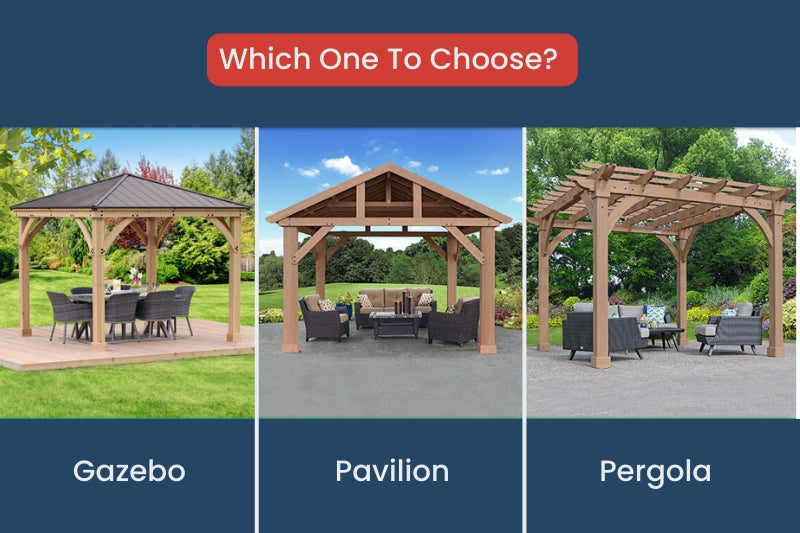
Image Source: hansohome.com
Defining Pergolas and Gazebos
Before diving into the specifics of pergola vs gazebo, it’s important to define what each structure is.
What is a Pergola?
A pergola is an outdoor structure typically consisting of vertical posts or pillars that support crossbeams and an open lattice. The top is often left open, allowing sunlight to filter through, but it can also be partially covered with fabric, vines, or solid roofing materials for more shade. Pergolas are often attached to a house but can also be freestanding. The primary purpose of a pergola is to create a shaded outdoor area or walkway.
What is a Gazebo?
A gazebo is a freestanding, open-sided structure with a solid roof. They are typically round, square, or octagonal and provide full shade and protection from the elements. Gazebos are often found in gardens and parks and are used as focal points for relaxation, entertainment, or even weddings.
Key Differences: Pergola vs Gazebo
While both pergolas and gazebos are outdoor shade structures, they differ significantly in design, construction, and intended use. Let’s break down the gazebo vs pergola differences in detail:
Structure and Design
-
Pergola Design:
- Open Structure: The most defining feature of a pergola is its open-air design. The latticed roof offers partial shade, allowing sunlight to filter through.
- Material Variety: Pergolas can be constructed from various materials, including wood (cedar, redwood, pressure-treated), vinyl, aluminum, and even metal.
- Attachment: Pergolas can be attached to a house or freestanding.
- Shape and Size: While generally rectangular, pergola designs can vary greatly in size and shape to fit specific spaces and aesthetic preferences.
-
Gazebo Design:
- Roofed Structure: Gazebos are characterized by a solid roof, providing complete shade and protection from rain and sun.
- Shape: Typically round, octagonal, or square.
- Material: Similar to pergolas, gazebos can be made from wood, vinyl, or metal.
- Open Sides: The sides are generally open, offering unobstructed views of the surrounding landscape. Some gazebos may include screens or decorative railings.
Here’s a table summarizing these structural differences:
| Feature | Pergola | Gazebo |
|---|---|---|
| Roof | Open lattice or partial cover | Solid roof |
| Sides | Open | Open |
| Attachment | Attached or freestanding | Freestanding |
| Typical Shape | Rectangular, varied | Round, octagonal, square |
Shade and Shelter
-
Pergola:
- Partial Shade: The open lattice design provides filtered sunlight, creating a dappled shade effect.
- Limited Weather Protection: Offers minimal protection from rain or strong sun, unless a solid cover is added.
-
Gazebo:
- Full Shade: The solid roof provides complete protection from the sun.
- Weather Protection: Offers shelter from rain and wind.
Purpose and Use
-
Pergola:
- Aesthetic Appeal: Pergolas are often used to enhance the visual appeal of a garden or outdoor space.
- Defining Space: Can define an outdoor living area, such as a patio or deck.
- Supporting Plants: Ideal for supporting climbing plants like vines, wisteria, or roses.
- Walkways: Pergolas can create shaded walkways in gardens.
-
Gazebo:
- Relaxation and Entertainment: Gazebos offer a comfortable space for outdoor relaxation, dining, or entertaining guests.
- Focal Point: Often used as a focal point in a garden or landscape.
- Events: Can be used for outdoor events like weddings, parties, or concerts.
Cost
The cost of a pergola or gazebo can vary widely depending on the size, materials, and complexity of the design.
- Pergola: Generally, pergolas are less expensive than gazebos, primarily due to their simpler structure and lack of a solid roof. The cost can range from a few hundred dollars for a basic kit to several thousand for a custom-built structure.
- Gazebo: Gazebos typically cost more than pergolas due to the added complexity of the roof and the increased materials needed. Prices can range from a thousand dollars for a basic model to tens of thousands for a high-end, custom-built gazebo.
Installation
- Pergola: Pergolas can be easier to install than gazebos, especially if you choose a pre-fabricated kit. DIY installation is possible for those with basic carpentry skills.
- Gazebo: Gazebo installation can be more complex, especially for larger or more intricate designs. Professional installation is often recommended to ensure structural integrity and proper assembly.
Delving Deeper: Features and Benefits
To truly understand the differences, let’s examine the specific features and benefits of each structure.
Pergola Features
- Customizable Design: Pergolas offer a wide range of design options, from simple to elaborate. You can customize the size, shape, materials, and style to match your home and landscape.
- Plant Integration: A key pergola feature is their ability to support climbing plants. This adds natural beauty and enhances the shaded area.
- Versatility: Pergolas can be used in various settings, including patios, decks, gardens, and poolside areas.
- Open Air Feel: The open design allows for natural airflow and a connection to the surrounding environment.
Pergola Benefits
- Enhanced Outdoor Living Space: Pergolas create a more inviting and comfortable outdoor area.
- Increased Property Value: A well-designed pergola can add aesthetic appeal and increase the value of your home.
- Partial Shade: Provides relief from the sun without completely blocking it out.
- Architectural Interest: Adds a unique architectural element to your landscape.
Gazebo Features
- Complete Shade: The solid roof provides full protection from the sun, making it ideal for hot climates.
- Weather Protection: Offers shelter from rain and wind, allowing you to enjoy your outdoor space even in inclement weather.
- Enclosed Options: Some gazebos can be enclosed with screens or windows for added protection from insects and the elements.
- Variety of Styles: Gazebos are available in various styles, from traditional Victorian to modern designs.
Gazebo Benefits
- Comfortable Outdoor Space: Gazebos provide a comfortable and protected space for relaxation and entertainment.
- Privacy: Can offer a sense of privacy in your backyard.
- Year-Round Use: With proper heating or cooling, gazebos can be used year-round in many climates.
- Protection: Solid roof shields furniture from sun and rain damage.
Choosing Between a Pergola and a Gazebo
The best choice between a pergola and a gazebo depends on your specific needs, preferences, and the intended use of the structure. Here are some factors to consider:
- Climate: If you live in a hot, sunny climate, a gazebo might be a better choice for full shade. If you prefer partial shade and enjoy the feeling of being outdoors, a pergola could be ideal.
- Intended Use: If you plan to use the structure for outdoor dining or entertaining, a gazebo offers better protection from the elements. If you want to create a visually appealing space for plants and relaxation, a pergola is a great option.
- Budget: Pergolas are generally less expensive than gazebos, so budget is an important consideration.
- Aesthetic Preference: Consider the style of your home and landscape. Choose a structure that complements your existing design.
Here’s a table to help you decide:
| Factor | Pergola | Gazebo |
|---|---|---|
| Shade | Partial | Full |
| Weather Protection | Minimal | Significant |
| Use | Aesthetic appeal, plant support, defined space | Relaxation, entertainment, focal point |
| Budget | Lower | Higher |
| Installation Difficulty | Easier | More Difficult |
Exploring Outdoor Shade Structures Beyond Pergolas and Gazebos
While pergolas and gazebos are popular outdoor shade structures, other options may suit your needs. These include:
- Arbors: Similar to pergolas but typically smaller and used to frame a garden entrance or walkway.
- Shade Sails: Fabric canopies suspended between posts to provide shade. They offer a modern and versatile alternative to traditional structures.
- Pavilions: Larger than gazebos, pavilions often feature open sides and a solid roof. They are suitable for hosting large gatherings.
- Patio Covers: Attached to a house, patio covers provide shade and protection from the elements for your patio or deck.
Fathoming Design Considerations
Regardless of whether you choose a pergola or a gazebo, consider the following design aspects:
- Size and Scale: Choose a size that is proportionate to your outdoor space and accommodates your intended use.
- Material Selection: Select durable materials that can withstand the elements and complement your home’s architecture.
- Style and Aesthetics: Choose a style that reflects your personal taste and enhances the overall look of your landscape.
- Placement: Consider the location of your structure in relation to sunlight, wind, and views.
- Landscaping: Integrate your pergola or gazebo into your existing landscape with plantings, pathways, and other features.
Frequently Asked Questions (FAQ)
- What is the difference between a pergola and an arbor? An arbor is typically smaller than a pergola and is often used to frame an entrance or walkway. Pergolas are generally larger and can be freestanding or attached to a building.
- Can I add a roof to a pergola? Yes, you can add a solid or partial roof to a pergola for increased shade and weather protection.
- Is a permit required for a pergola or gazebo? Permit requirements vary depending on your location and the size of the structure. Check with your local building department for specific regulations.
- Can I enclose a gazebo with screens? Yes, many gazebos can be enclosed with screens to keep out insects and provide added privacy.
- What materials are best for a pergola or gazebo? Wood (cedar, redwood), vinyl, and aluminum are popular choices for their durability and aesthetic appeal. Consider the climate and maintenance requirements when choosing materials.
- What is the lifespan of a pergola and a gazebo? The lifespan depends on the materials used and how well they are maintained. Wood pergolas and gazebos may last 10-20 years with proper care, while vinyl or aluminum structures can last much longer.
- How can I maintain my pergola or gazebo? Regular cleaning, staining or painting (if applicable), and inspecting for damage are essential for maintaining the structure.
- Are there any DIY pergola or gazebo kits available? Yes, numerous DIY kits are available online and at home improvement stores, offering a cost-effective way to build your own structure.
To craft your perfect outdoor sanctuary, weigh the distinct charms of a pergola against a gazebo, aligning your choice with your vision, wallet, and style. Grasping their structural nuances and intended roles is the compass for an informed decision, ensuring your new space elevates your property’s allure for seasons ahead. The fundamental distinction – open-air embrace versus sheltered retreat – lies at the heart of this pivotal choice. Each offers unique splendors, so a deep dive into their respective advantages will illuminate the path to your ultimate outdoor bliss.

William has over three years of experience in building gazebos. He started AskGazebo.com to assist his clients.